
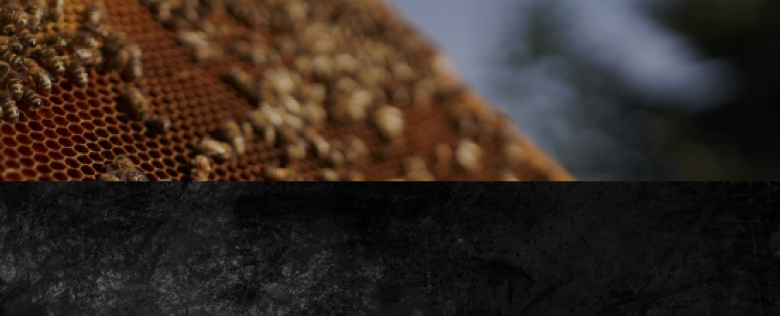
What was happening in New Zealand at that time

In the early 2000s, when I was still a student, Manuka honey in New Zealand lacked scientific evidence and was primarily used only among the indigenous Maori people.

The beneficial components were not well understood, and the price was lower than clover honey. At that time, most Manuka honey was harvested from the southern part of the North Island. Unlike the Incanum species found in the northern regions, which had promising functional benefits, most of the honey in the southern part had a strong and distinctive taste and aroma. Given that the functionality of Manuka honey was unclear, it was naturally unable to compete with the well-tasting clover honey in terms of price.
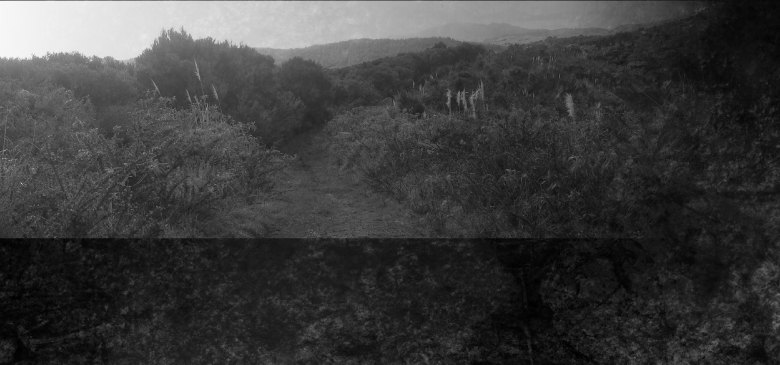
At that time, even among scholars, there was little discussion about the fact that Manuka honey from the Incanum species in the northern regions was highly superior in terms of both taste and functionality.
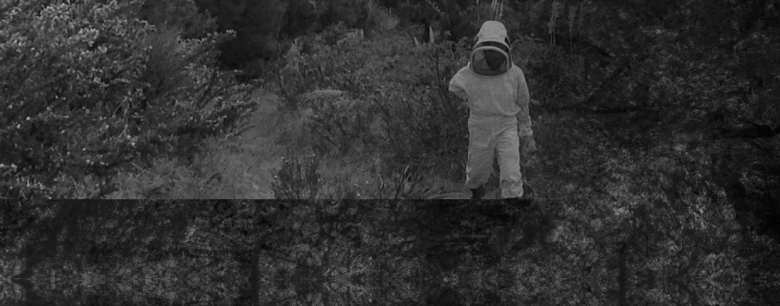
While my father recognized the great potential of the Incanum species in the northern regions, other beekeepers in New Zealand did not even consider going to the remote northern areas specifically to harvest this honey.
في أوائل الألفية الجديدة، عندما كنت لا أزال طالبًا، لم يكن هناك دليل علمي واضح يدعم فوائد عسل المانوكا في نيوزيلندا، وكان استخدامه يقتصر في الغالب على السكان الأصليين من شعب الماوري.
لم تكن المكوّنات المفيدة في العسل مفهومة جيدًا بعد، وكان سعره في ذلك الوقت أقل من سعر عسل البرسيم. في تلك الفترة، كان معظم إنتاج عسل المانوكا يأتي من الجزء الجنوبي من الجزيرة الشمالية، حيث كانت الأنواع هناك تختلف عن نوع إنكانوم (Incanum) المنتشر في الشمال، الذي تميّز بإمكانات عالية من حيث الفاعلية الحيوية والفوائد الوظيفية.
أما العسل القادم من الجنوب فكان يتميز بطعم قوي ونكهة حادة، ومع غياب الأدلة على فوائده، كان من الطبيعي ألا يستطيع منافسة عسل البرسيم ذي المذاق العذب في السوق. حتى في الأوساط الأكاديمية في ذلك الوقت، لم يكن هناك اهتمام يُذكر بمسألة تفوق عسل المانوكا المستخرج من نوع إنكانوم في المناطق الشمالية، سواء من حيث الطعم أو القيمة الوظيفية.
كان والدي، بخبرته ونظرته العميقة، يدرك الإمكانات العظيمة الكامنة في نوع إنكانوم في الشمال، في حين أن معظم مربي النحل الآخرين في نيوزيلندا لم يخطر ببالهم أن يسافروا إلى تلك المناطق النائية خصيصًا لجمع هذا العسل النادر.

Discarded Manuka honey
At that time, Manuka honey was even used as feed for cattle.

However, it was curious that only the cows that ate this honey did not suffer from health problems and remained healthy, which gradually became a topic of interest. Despite this, Manuka honey, lacking scientific evidence, was mostly discarded due to its high viscosity and difficulty in handling during production. Beekeepers became frustrated by the repeated harvests of Manuka honey.
Crisis in local production…
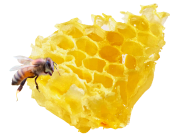
There were benefits to turning the less known Manuka honey into a product.
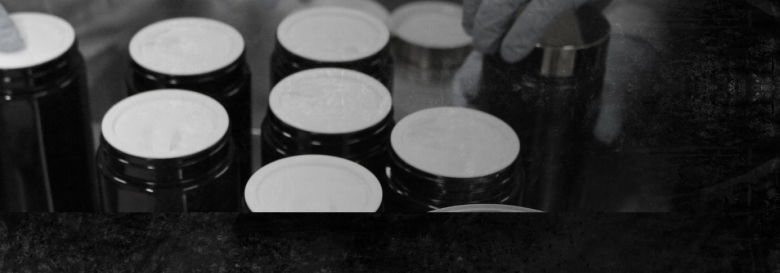
At that time, the facility for pot filling was very small. This allowed us to freely enter and exit the factory during production and personally oversee every step of the process, which was an advantage.
However, after the latter half of 2014, as Manuka honey began to gain attention in Japan and China, even the small pot-filling factory restricted access to tours only. At this time, my father and I were reminded of the significant propolis boom that had occurred in Brazil.
Having anticipated how the newly popular ingredient would be handled, and driven by the resolve not to repeat the past mistakes made with propolis, we made the crucial decision to relocate all production except for harvesting to Japan.
في ذلك الوقت، كان عسل المانوكا يُستخدم أحيانًا كعلف للماشية. ومن المثير للدهشة أن الأبقار التي تناولت هذا العسل تحديدًا لم تكن تعاني أي مشكلات صحية، بل ظلّت في حالة جيدة ومفعمة بالحيوية، الأمر الذي أثار اهتمامًا متزايدًا بين المزارعين والعلماء على حدّ سواء.
ورغم هذه الملاحظات اللافتة، فقد كان عسل المانوكا، لافتقاره إلى الأدلة العلمية وصعوبة التعامل معه بسبب لزوجته العالية، يُعتبر منتجًا غير عملي ويُلقى جانبًا في كثير من الأحيان. لقد شعر مربّو النحل بالإحباط من تكرار حصاد هذا العسل الذي لم يكن يجد من يقدّر قيمته.
أزمة في الإنتاج المحلي…
كانت هناك فائدة خفية في تحويل هذا العسل المجهول نسبيًا إلى منتج ذي قيمة. في تلك الفترة، كان مرفق تعبئة العبوات صغيرًا جدًا، وهذا منحنا حرية الدخول إلى المصنع أثناء الإنتاج، ومتابعة كل خطوة من العملية بأعيننا، وهو ما كان يشكل ميزة حقيقية.
لكن بعد النصف الثاني من عام 2014، ومع ازدياد الاهتمام بعسل المانوكا في اليابان والصين، حتى ذلك المصنع الصغير بدأ يقصر زياراته على جولات محدودة فقط.
في تلك اللحظة، تذكّر والدي وأنا الازدهار الكبير لعسل البروبوليس الذي شهدناه سابقًا في البرازيل. كنا ندرك تمامًا كيف يمكن أن يؤدي انتشار المكونات الطبيعية النادرة إلى سوء إدارتها عندما تصبح موضع طلب عالمي. ومن هذا الإدراك، ومع عزمٍ راسخ على عدم تكرار الأخطاء الماضية، اتخذنا القرار الحاسم بنقل جميع عمليات الإنتاج — باستثناء الحصاد — إلى اليابان، حفاظًا على الجودة، وحمايةً لروح المنتج الأصيلة.
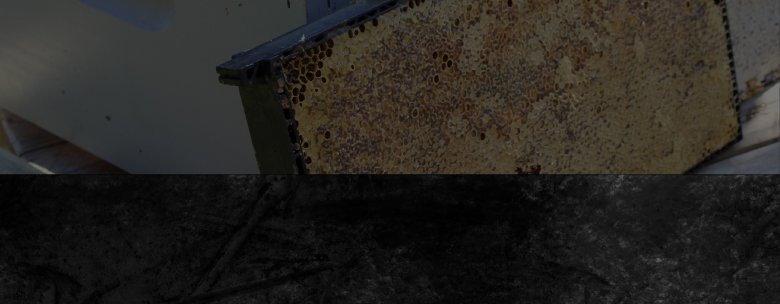
Moving to Japan has been full of challenges
We transported Manuka honey in bulk to Japan and simultaneously moved the manufacturing equipment and know-how. Domestic trials then began.
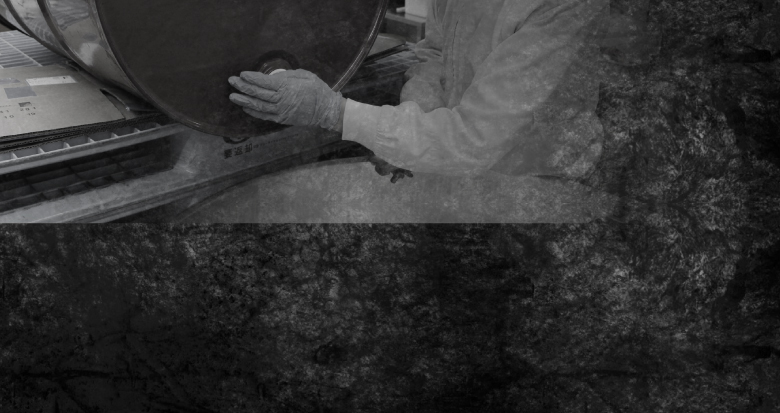
However, the commercialization of Manuka honey was truly challenging and became a multi-year project. The imported machinery required modifications due to differences in bolts and specifications, and temperature control during production was much more difficult than for regular honey.
Despite the challenges, I believe it was the right decision to relocate production to Japan. The main reason for this is that a few years after access to the local factory was restricted, as expected,a series of issues began to arise with Manuka honey in New Zealand.
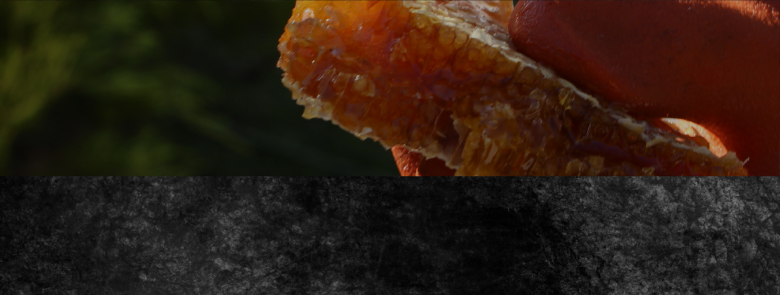
The mass-produced ‘Manuka blend’ became a major issue.
For example, in New Zealand, low-grade Manuka honey was blended with other floral honeys to falsify its active strength, leading to mass production. In Japan, the contamination of glyphosate pesticide became a major issue, but this would likely not have happened if low-quality honey had not been blended with Manuka honey at the local factories.

Following these events, New Zealand enacted a law requiring that products containing below a certain percentage of Manuka honey be labeled as ‘Manuka blend’ and clearly state that they are blended.
The government clearly distinguished between pure, high-quality Manuka honey sourced from a single flower and other types of honey, in order to ensure accurate product labeling and restore the country’s credibility.
قمنا بنقل عسل المانوكا بكميات كبيرة إلى اليابان، وفي الوقت نفسه نقلنا معدات التصنيع والمعرفة التقنية المكتسبة عبر السنين. وهكذا بدأت التجارب المحلية لإنتاج هذا العسل الفريد.
لكن تحويل عسل المانوكا إلى منتج تجاري قابل للتسويق كان تحديًا حقيقيًا، وامتد العمل عليه لعدة سنوات. فالمعدات المستوردة احتاجت إلى تعديلات دقيقة بسبب اختلاف المقاييس والمواصفات، كما أن التحكم في درجة الحرارة أثناء الإنتاج كان أكثر صعوبة بكثير مقارنةً بالعسل العادي.
ورغم كل تلك التحديات، أؤمن بأن قرار نقل التصنيع إلى اليابان كان القرار الصائب. فبعد بضع سنوات من تقييد الوصول إلى المصانع المحلية في نيوزيلندا، بدأت سلسلة من المشكلات بالظهور — كما كنا نتوقع.
أزمة “خليط المانوكا” المُنتج بكميات ضخمة
في نيوزيلندا، بدأت بعض الجهات بخلط عسل المانوكا منخفض الجودة مع أنواع أخرى من العسل الزهري لرفع مستوى النشاط الظاهري للعسل، مما أدى إلى إنتاج كميات ضخمة من العسل الممزوج وطرحها في الأسواق. وفي اليابان، ظهرت لاحقًا مشكلة تلوث بمبيد الأعشاب غليفوسات، وهي مشكلة ما كانت لتحدث لو لم يتم خلط العسل منخفض الجودة بعسل المانوكا داخل المصانع المحلية في نيوزيلندا.
استعادة المصداقية من خلال التشريع
عقب هذه الأحداث، أصدرت حكومة نيوزيلندا قانونًا جديدًا يُلزم الشركات بالإفصاح بوضوح عن أي منتج يحتوي على نسبة منخفضة من عسل المانوكا، ووضع وسم “خليط المانوكا – Manuka Blend” على عبواته.
كما فرّقت السلطات بشكل صريح بين عسل المانوكا النقي ذو المصدر الأحادي الزهرة وبين الأنواع الأخرى المختلطة، وذلك لضمان الشفافية في العلامات التجارية واستعادة ثقة العالم بعسل المانوكا الأصيل الذي تمثل نيوزيلندا موطنه الأول.

Thoughts on the glyphosate controversy
Whether in Japan or abroad, beekeeping in areas near farms or ranches naturally leads to the
contamination of honey with pesticides, including glyphosate, that are sprayed in the vicinity.
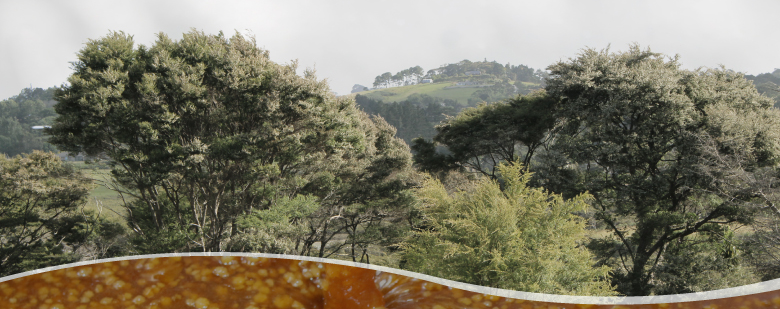
In contrast, honey produced in remote mountainous areas, like our Manuka honey,
is free from pesticides as they are not used in such locations, ensuring that the honey remains uncontaminated.
We conduct inspections of each ingredient through certifying organizations, and we guarantee that only the ingredients that pass these inspections are filled into the pots.
Misconceptions Behind Imported Manuka Honey
Those familiar with Manuka honey may have noticed that the commonly seen products are all packaged in brown hexagonal or square plastic bottles, regardless of the manufacturer.
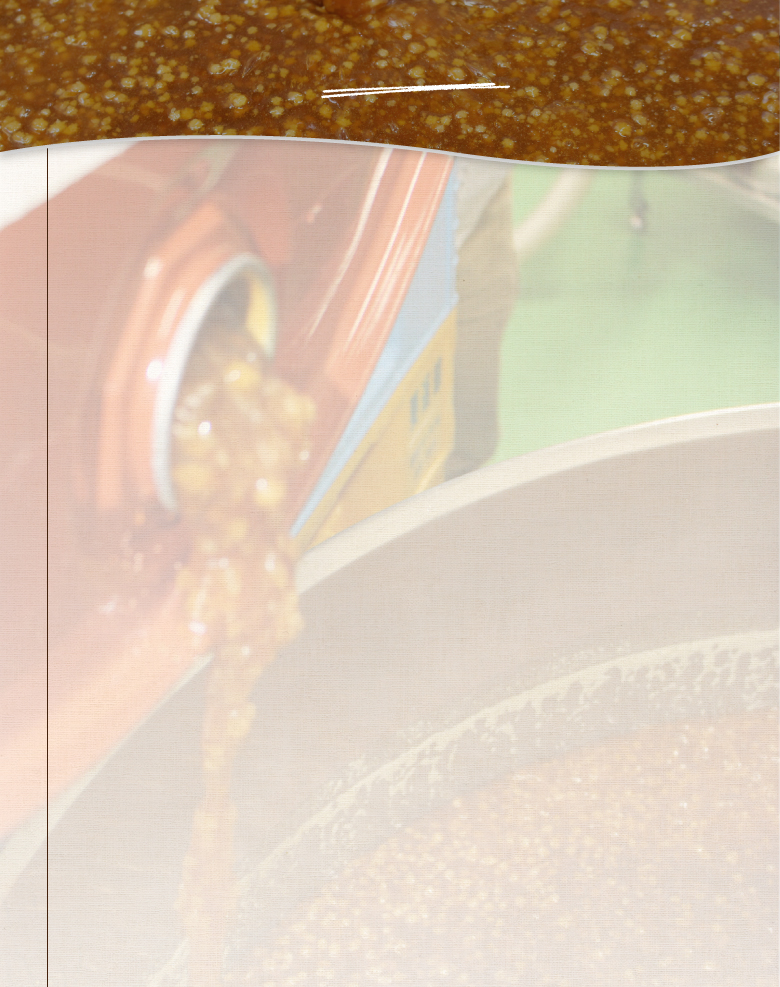
There are not many factories in New Zealand capable of filling Manuka honey into pots. The reality is that several manufacturers purchase mass-produced honey from these factories, label it, and sell it under their own brands.
By heating and mass-producing the honey, activating components are lost, but the taste and consistency become uniform, and individual variations are minimized. As a result, buyers may mistakenly believe that the uniformly smooth Manuka honey, which remains easy to eat throughout the year, is of the highest quality.
سواء في اليابان أو في أي مكان آخر من العالم، فإن تربية النحل بالقرب من المزارع أو المراعي تؤدي بطبيعتها إلى تلوث العسل بالمبيدات الزراعية، ومن ضمنها مبيد الغليفوسات الذي يُرش في المناطق الزراعية المجاورة.
أما عسلنا — المُنتج في المناطق الجبلية النائية — فهو خالٍ تمامًا من أي مبيدات، إذ لا تُستخدم هذه المواد في تلك البيئات الطبيعية النقية. ولهذا، يبقى عسل المانوكا الذي نقدمه نقيًا وأصيلًا بطبيعته.
نحن نجري فحوصات دقيقة على كل مكوّن من مكوّنات العسل من خلال هيئات اعتماد مستقلة، ولا يُعبأ في أوعيتنا إلا العسل الذي يجتاز تلك الاختبارات بنجاح كامل.
المفاهيم الخاطئة حول عسل المانوكا المستورد
أولئك الذين يعرفون عسل المانوكا قد يلاحظون أن معظم الأنواع المتداولة في الأسواق تأتي في عبوات بلاستيكية بنية اللون، سداسية أو مربعة الشكل، بغض النظر عن العلامة التجارية.
والسبب بسيط — فعدد المصانع القادرة على تعبئة عسل المانوكا في نيوزيلندا قليل للغاية. ولهذا، تقوم عدة شركات بشراء العسل المنتج بكميات ضخمة من تلك المصانع،
ثم تضع عليه ملصقاتها الخاصة وتبيعه كمنتج من علامتها التجارية. ولأن هذه المصانع تعتمد على التسخين والإنتاج الكمي، تُفقد العناصر النشطة في العسل أثناء المعالجة، لكن المذاق والملمس يصبحان موحدين وسلسين.
وهكذا، يعتقد بعض المشترين خطأً أن العسل الموحد المذاق، السهل التناول طوال العام، هو الأفضل جودة، بينما في الحقيقة، إن العسل الأصيل عالي النشاط هو بطبيعته متفرد، يتغير بتغيّر الطبيعة نفسها — تمامًا كما تختلف مواسم الأزهار والرياح في الغابات النائية التي تنشأ فيها نحلاتنا.
Traceable throughout the entire process
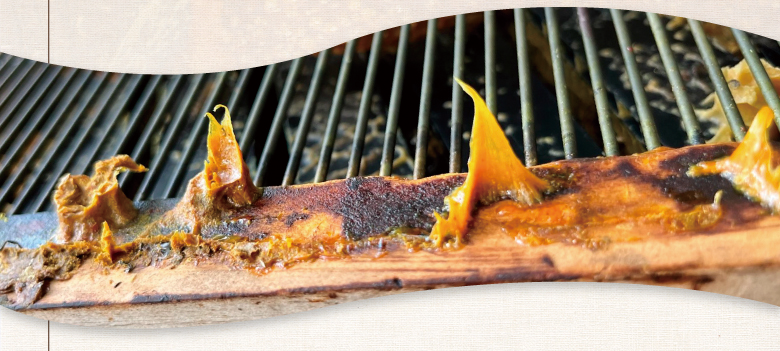
However, with raw Manuka honey directly extracted from the hive, there is no guarantee of the same taste and consistency each time. In fact, even within the same colony, the flavor and texture can vary depending on which level of the hive the honey was taken from.
The fewer human interventions there are, the more the flavor and texture of the honey will change with each season, much like a living organism. This is what true Manuka honey is like. If it remains consistent, it is actually quite suspicious.
At one point, we terminated our relationship with the New Zealand filling factory we had been outsourcing to and established our own directly managed apiary.
We then switched to handling everything from raw material import to product manufacturing in our factories in Japan.
No other company in this industry carries out the entire process from Manuka honey production to product manufacturing like we do.
Typically, honey collected from all over New Zealand is processed into products at large-scale facilities. This approach allows for cost-effective and standardized production to meet the demands of the global honey market.
Since our founding, we have placed great expectations on the health benefits of Manuka honey. Based on numerous customer reports, we are firmly convinced of the unique properties of this honey and its significant contribution to human health.
As a result of switching to domestic factories
As a result of switching to domestic factories, we have been able to avoid issues such as pesticide residues and ensure safe manufacturing under our own control.
We have established a secure system that allows us to track the entire process, from bee cultivation and honey extraction from the hives to production and sales.
‘Blind Spots’ in Japanese Regulations Regarding Imported Goods
At that time, we and other companies were already importing and selling Manuka honey in these bottles, so there should have been a precedent. We contacted the quarantine office multiple times to inquire about this. It turned out that under Japanese law, when honey is imported in a ‘filled’ state from New Zealand, only the contents are tested for pesticide residues and chemicals, but the container itself is not subject to inspection.
By taking action to switch to domestic production, such contradictions came to light. It is likely that these facts are beyond the imagination of companies that simply buy and resell through distribution channels, or even those that directly import the products.
The proportion of imported food in Japan is now very high, and there are concerning issues associated with it. While the inspection of the contents of imported food is very stringent, the containers used are not inspected at all, allowing them to pass through as domestic cargo and be sold at retail.
In such a situation, can food safety truly be assured? We prioritize our customers’ safety and health above all, and are committed to providing reliable and confidently assured products.
إن عسل المانوكا الخام المستخلص مباشرة من الخلية لا يقدّم الطعم نفسه في كل مرة — بل تختلف نكهته وقوامه حتى داخل الخلية الواحدة، تبعًا للطابق الذي جُمِع منه العسل.
كلما كانت تدخّلات الإنسان أقل، أصبح العسل أكثر تنوّعًا وتغيّرًا مع الفصول، وكأنه كائن حيّ يتنفس مع الطبيعة ذاتها. وهذا هو العسل الحقيقي — المانوكا الأصيل. أما العسل الذي يحتفظ بطعم موحّد على الدوام، فهو في الحقيقة يثير الشك أكثر مما يبعث على الطمأنينة.
في مرحلةٍ ما، أنهينا تعاوننا مع مصنع التعبئة في نيوزيلندا الذي كنا نتعامل معه، وأسّسنا منحلنا الخاص بإدارة مباشرة. ثم انتقلنا إلى نظام إنتاج متكامل في اليابان، حيث نتولّى بأنفسنا كل خطوة من استيراد المادة الخام إلى التصنيع النهائي.
ولا توجد أي شركة أخرى في هذا المجال تُشرف على العملية بأكملها — من إنتاج عسل المانوكا إلى التصنيع والتعبئة — كما نفعل نحن. في المقابل، يتم عادةً جمع العسل من مختلف مناطق نيوزيلندا ثم معالجته في مصانع ضخمة تُنتج بشكل موحّد لتلبية الطلب العالمي بأقل تكلفة. غير أن هذا النهج يُفقد العسل روحه الأصيلة التي لا تُقدّر بثمن.
الإيمان بفوائد المانوكا وصدق التجربة
منذ تأسيسنا، وضعنا صحة الإنسان في قلب رسالتنا، وآمنّا بقدرة عسل المانوكا على تحقيق التوازن الحيوي للجسم. وبناءً على العديد من شهادات العملاء على مرّ السنين، أصبحنا على يقينٍ من أن هذا العسل يحمل خصائص فريدة تُسهم بعمق في صحة الإنسان ورفاهيته.
نتائج التحوّل إلى المصانع المحلية
بفضل نقل الإنتاج إلى مصانعنا داخل اليابان، استطعنا تجنّب مشكلات بقايا المبيدات تمامًا، وضمان عمليات تصنيع آمنة تحت رقابتنا الكاملة. كما أنشأنا نظامًا دقيقًا يتيح تتبّع كل خطوة من الدورة — من تربية النحل واستخراج العسل من خلاياه إلى التصنيع والتعبئة وصولًا إلى مرحلة البيع.
الثغرات الخفية في القوانين اليابانية المتعلقة بالمنتجات المستوردة
في ذلك الوقت، كنا نحن وعدد من الشركات الأخرى قد بدأنا بالفعل باستيراد وبيع عسل المانوكا في عبوات تعبئة جاهزة. لذلك تواصلنا مرارًا مع مكتب الحجر الصحي لمعرفة التفاصيل. وتبيّن أن القانون الياباني يفحص محتوى العسل فقط بحثًا عن بقايا المبيدات والمواد الكيميائية، بينما لا يخضع الوعاء نفسه لأي فحص. وقد كشفت تجربتنا في نقل الإنتاج المحلي عن هذه المفارقة الواضحة.
من المؤكد أن هذه الحقائق تفوق تصوّر الشركات التي تكتفي بالشراء وإعادة البيع، أو حتى تلك التي تستورد المنتجات مباشرة دون رقابة تصنيع حقيقية. واليوم، يعتمد اليابانيون بدرجة كبيرة على الأغذية المستوردة، لكن في ظل غياب الرقابة على مواد التعبئة، تمرّ بعض المنتجات إلى السوق كما هي، دون أي فحص فعلي.
فهل يمكننا أن نقول حينها إن سلامة الغذاء مضمونة فعلًا؟ إننا نضع سلامة وصحة عملائنا فوق كل اعتبار، ونلتزم بتقديم منتجات يمكن الوثوق بها بثقة مطلقة — عسلًا نقيًا يُجسّد نقاء الطبيعة وروح الصدق في كل قطرة.
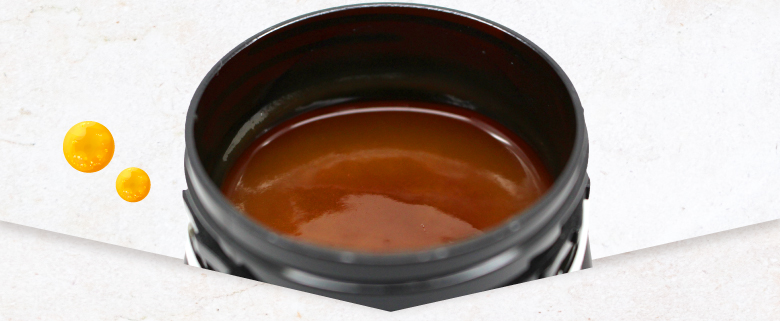

Evolving Original Bottle
Our Manuka honey products have been updated to feature a fully original, custom-designed domestic glass bottle. Products like ours, which are minimally processed and produced in small batches, allow the unique characteristics of Manuka honey to shine through. Therefore, it is essential to have bottles that fit well with these distinctive features.
Additionally, we will engrave TCN logo and a mark indicating that the container is made in Japan on the surface and bottom of the bottle. These marks serve as physical proof that the products were indeed manufactured in our own factory. We are committed to continuously incorporating innovative know-how and improvements swiftly.
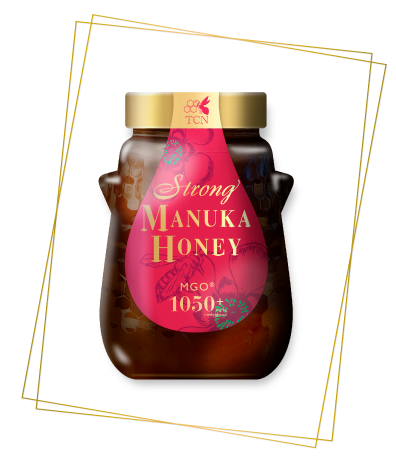
How is the new bottle different?
- The lid design that preserves the freshness
- Easy to open
- Non-stickiness of the bottle
- Easy to hold
- Easy to scooping
Creating products that meet the highest standards of safety and reliability is best achieved through the Japan Brand, known for its world-leading strict quality standards. TCN will continue to work tirelessly to be a trusted brand.
تم تحديث منتجاتنا من عسل المانوكا لتُقدَّم اليوم في زجاجة يابانية فاخرة مصمَّمة خصيصًا ومصنوعة محليًا بالكامل. إن منتجاتنا، التي تُنتج على نطاق محدود وبأقل قدر من المعالجة، تسمح بظهور الخصائص الطبيعية لعسل المانوكا الأصيل بكل نقائه وتميّزه. ولهذا، كان من الضروري أن يأتي الوعاء بتصميمٍ يليق بهذا العسل الفريد من نوعه.
ولتعزيز الشفافية والهوية، سيُحفَر شعار TCN وعلامة “صُنع في اليابان” على سطح الزجاجة وقاعدتها، لتكون بمثابة دليل ملموس على أن جميع مراحل التصنيع تمت داخل مصانعنا الخاصة.
نحن نؤمن أن الابتكار لا يتوقف — وسنواصل إدخال التحسينات التقنية والعملية بسرعة وبدقّة، لنقدّم دائمًا ما يفوق توقعات عملائنا.
ما الذي يميّز الزجاجة الجديدة؟
تصميم غطاء يحافظ على نضارة العسل وفعاليته الطبيعية
سهولة الفتح والإغلاق دون عناء
سطح مقاوم للالتصاق يمنع بقاء العسل على الجدران
قبضة مريحة تتيح التعامل السلس
سهولة في السكب والاستخدام اليومي
إن إنشاء منتجات ترتقي إلى أعلى معايير السلامة والموثوقية لا يتحقق إلا من خلال العلامة اليابانية Japan Brand، المعروفة عالميًا بدقّتها وصرامتها في مراقبة الجودة.
وسنواصل في TCN السير بخطى ثابتة على هذا النهج، لنبقى علامة تُجسّد الثقة، الأصالة، والتفوّق في كل تفصيل.

Challenge of Delivering Natural Products
Bond with New Zealand
Lastly, manufacturing can only be understood by actually engaging in the production process. Especially with Manuka honey, the process of turning it into a product is significantly more challenging compared to regular honey and requires extensive expertise.
It is often misunderstood that simply bottling the honey is sufficient. However, to preserve its unique characteristics and composition while delivering it in its natural state, it requires rigorous research and improvement, as well as advanced ingenuity within the limited manufacturing processes.
Considering that repeated trial and error leads to creating better products, it is crucial that the manufacturing site is nearby to make this process physically feasible.
About raw materials, who harvests it,
where, and how, who manages the quality,
and how they do it,
by what means it is delivered to Japan,
This is extremely important.
الرابطة العميقة مع نيوزيلندا
في نهاية المطاف، لا يمكن فهم جوهر التصنيع الحقيقي إلا من خلال المشاركة الفعلية في عملية الإنتاج. وخاصة في حالة عسل المانوكا، فإن تحويله من مادة خام إلى منتج نهائي هو أمر بالغ الصعوبة مقارنة بالعسل العادي، ويتطلّب خبرة متعمقة ودقة عالية في كل مرحلة.
يظن البعض خطأً أن تعبئة العسل في عبوات تكفي لتقديمه كمنتج جاهز. لكن الحفاظ على خصائص عسل المانوكا الطبيعية وتركيبته النادرة يتطلب بحثًا متواصلاً، وتحسينات دقيقة، وحرفية متقدمة ضمن نطاق محدود من العمليات.
إن التجربة المتكررة والملاحظة الدقيقة هما ما يقودان في النهاية إلى منتج أكثر تميّزًا. ولهذا، كان من الضروري أن تكون مواقع التصنيع قريبة، لتُمكّننا من تحسين التفاصيل بشكل مباشر ومستمر.
إننا نولي أهمية قصوى للإجابة عن الأسئلة الجوهرية التالية: من أين يأتي العسل؟ من يجمعه؟ وكيف تُدار جودته؟ وبأي وسيلة يُنقل إلى اليابان؟ فهذه الجوانب ليست تفاصيل ثانوية — بل هي جوهر الثقة التي يقوم عليها كل منتج نقدمه.

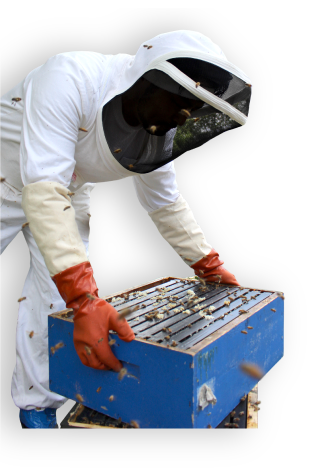
We continue to harvest high-quality Incanum Manuka honey through the constant research and efforts of our founder in New Zealand, Shigeru Tsuji, and his dedicated team. In our Japanese filling and manufacturing processes, we strive to remain at the forefront of the Manuka honey industry, maintaining a unique operational approach that avoids trends and booms.
We are committed to continuing our efforts to deliver the highest quality Manuka honey to our customers. Thank you for reading to the end.
Dan Tsuji
President of TCN Co., Ltd.