
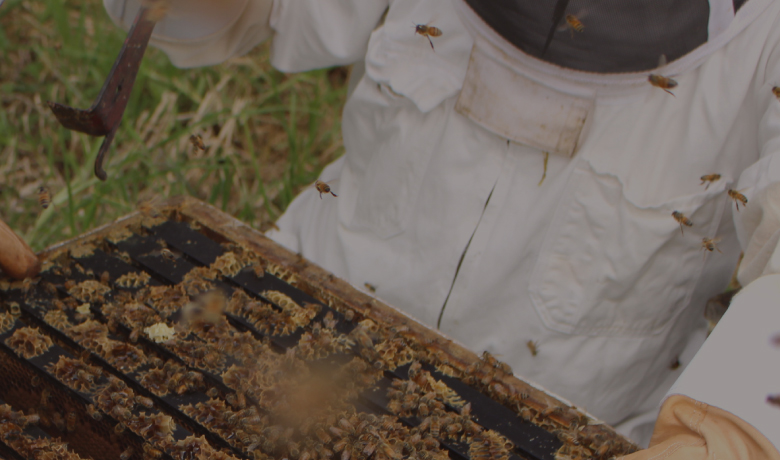
Commitment to beekeeping
Among various commitments, the passion and vision of the Japanese experienced beekeeper, who is also the founder of TCN, are embedded.
ضمن مختلف التزاماتنا، تتجذر الشغف والرؤية لدى النحال الياباني المتمرس، مؤسس شركة TCN، في كل خطوة من خطوات إنتاجنا.
Strict Production Standards
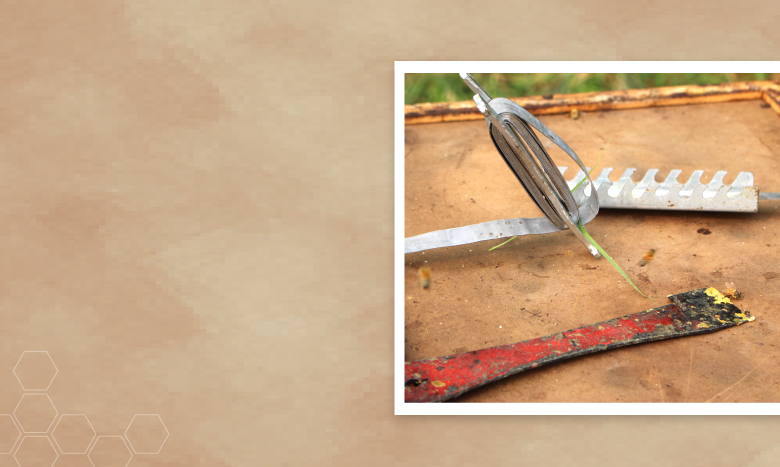
Our beekeeping process is led by a Japanese experienced beekeeper with over 40 years of overseas experience and permanent residency in New Zealand. Alongside small-scale beekeepers who inherit his passion, they employ delicate techniques and a strong craftsman spirit. They adhere to their own strict standards from beekeeping to harvesting.
يقود عملية تربية النحل نحال ياباني ذو خبرة تزيد عن 40 عامًا في الخارج ويقيم بشكل دائم في نيوزيلندا. وبمشاركة النحالين الصغار الذين يرثون شغفه، يُطبقون تقنيات دقيقة وروح الحرفية اليابانية الأصيلة. وهم يلتزمون بمعايير صارمة خاصة بهم، بدءًا من تربية النحل وحتى الحصاد.
Nature is highly unpredictable.
There is no such thing as an “absolute” guarantee.
Our production philosophy involves harvesting honey using methods that minimize stress on honeybees as much as possible. Therefore, it is common for product characteristics to vary depending on the environmental conditions each season and each batch. Even if there was a high level of activity in the harvest the previous year, there is no guarantee that the same product will be produced every year.
تستند فلسفة إنتاجنا إلى حصاد العسل بأساليب تقلل الإجهاد على النحل قدر الإمكان. لذلك، من الطبيعي أن تختلف خصائص المنتج حسب الظروف البيئية لكل موسم وكل دفعة. حتى إذا كانت مستويات النشاط عالية في الحصاد خلال العام السابق، لا يوجد ضمان لإنتاج نفس المنتج بنفس المستوى كل عام.
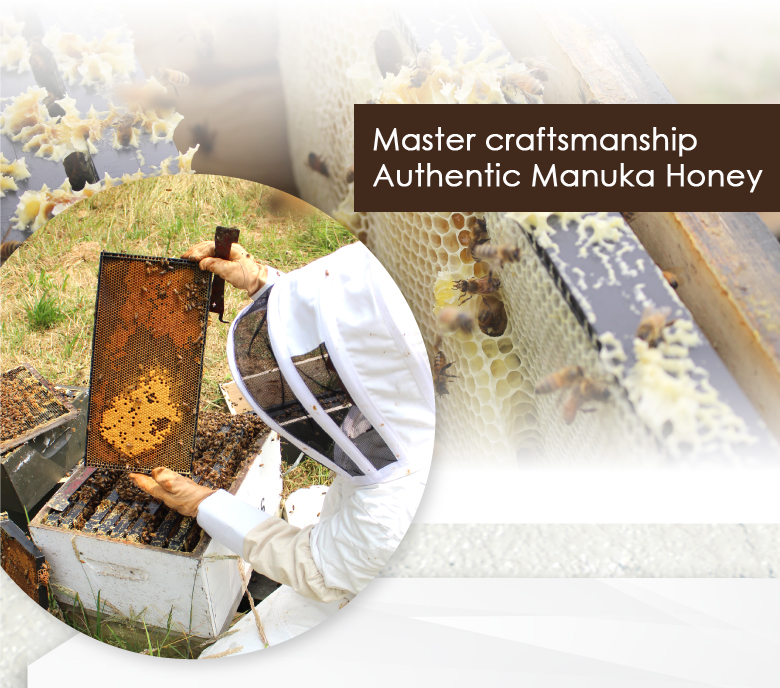

Even with a highly inefficient harvesting method, we make no compromises on quality. Additionally, our honey is exceptionally delicious, adhering to our management philosophy that, as a food product, it must be delicious.
Our products do not adhere to the uniform quality seen in mass-produced goods and employ entirely different production methods. Although this approach is highly inefficient and costly, we make no compromises in delivering authentic Manuka honey. The main reason for this is that natural products tend to lose their original form as human intervention increases.
منتجاتنا لا تتبع معايير الجودة الموحدة التي تُرى في السلع المنتَجة بكميات كبيرة، بل تعتمد على طرق إنتاج مختلفة تمامًا. على الرغم من أن هذه الطريقة غير فعّالة ومكلفة للغاية، إلا أننا لا نتنازل أبدًا عن تقديم عسل مانوكا أصيل وحقيقي. والسبب الرئيسي لذلك هو أن المنتجات الطبيعية تميل إلى فقدان شكلها الأصلي مع زيادة التدخل البشري.

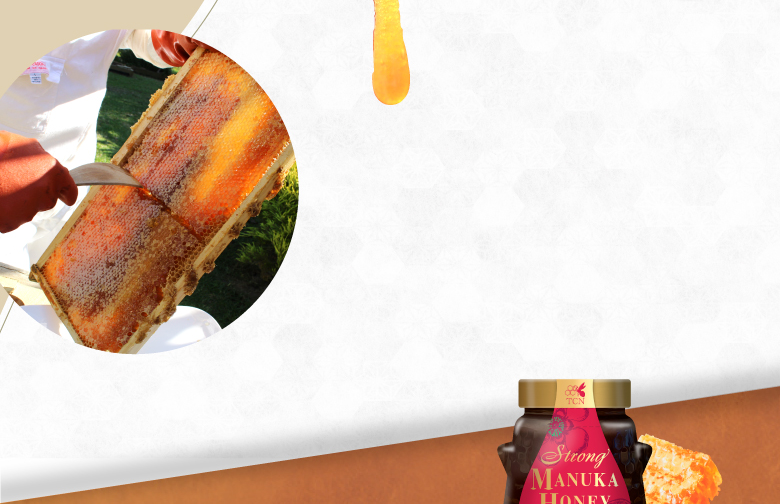
What is mass-produced honey?
Mass-produced Manuka honey, commonly found on the market, is efficiently produced in large batches at industrial-scale processing facilities. It involves heating and blending honey from various beekeeping sites across New Zealand, collected and processed to create a consistent, large-scale product. The characteristic of this method is that it eliminates variations between products through standardization. This is necessary to ensure a stable supply to the international honey market, where trading companies are involved.
Limited Production
There are no guarantees for the next season. The production volume is greatly influenced by unpredictable changes in nature and the strength of bee colonies. We work with the most trusted small-scale beekeepers to explore various possibilities by diversifying the locations where beehives are placed.
Each batch harvested in this manner has its own unique characteristics, displaying diversity in viscosity, sugar content, color, aroma, and the ratio of glucose to fructose. Notably, the temperature of the surrounding environment greatly influences the color, aroma, taste, and texture. Unprocessed natural products exhibit these characteristics more strongly, but this is precisely the evidence of nature’s influence. Therefore, in the field, we strive to adapt our beekeeping practices as closely as possible to the natural conditions of each season.
عسل المانوكا المنتَج بكميات كبيرة، الموجود بشكل شائع في السوق، يُنتج بكفاءة في دفعات كبيرة بمرافق معالجة صناعية. يشمل ذلك تسخين وخلط العسل المجمّع من مواقع تربية النحل المختلفة في نيوزيلندا لإنتاج منتج متناسق على نطاق واسع. تتمثل ميزة هذه الطريقة في أنها تلغي أي اختلافات بين المنتجات من خلال التوحيد القياسي. وهذا ضروري لضمان توفير مستقر للسوق العالمي للعسل، حيث تشارك شركات التداول في العملية.
الإنتاج المحدود
لا توجد أي ضمانات للموسم القادم. حجم الإنتاج يتأثر بشكل كبير بالتغيرات الطبيعية غير المتوقعة وقوة مستعمرات النحل. نحن نعمل مع أكثر النحالين الصغار ثقة لاستكشاف إمكانيات متنوعة من خلال تنويع المواقع التي تُوضع فيها الخلايا.
كل دفعة يُحصَد بهذه الطريقة لها خصائصها الفريدة الخاصة، مع اختلافات واضحة في اللزوجة، محتوى السكر، اللون، الرائحة، ونسبة الجلوكوز إلى الفركتوز. ومن الجدير بالذكر أن درجة حرارة البيئة المحيطة تؤثر بشكل كبير على اللون والرائحة والطعم والملمس. المنتجات الطبيعية غير المعالجة تُظهر هذه الخصائص بشكل أقوى، وهذه بالتحديد دليل على تأثير الطبيعة. لذلك، في الميدان، نسعى جاهدين لتكييف ممارسات تربية النحل لدينا مع الظروف الطبيعية لكل موسم بأقصى قدر ممكن.
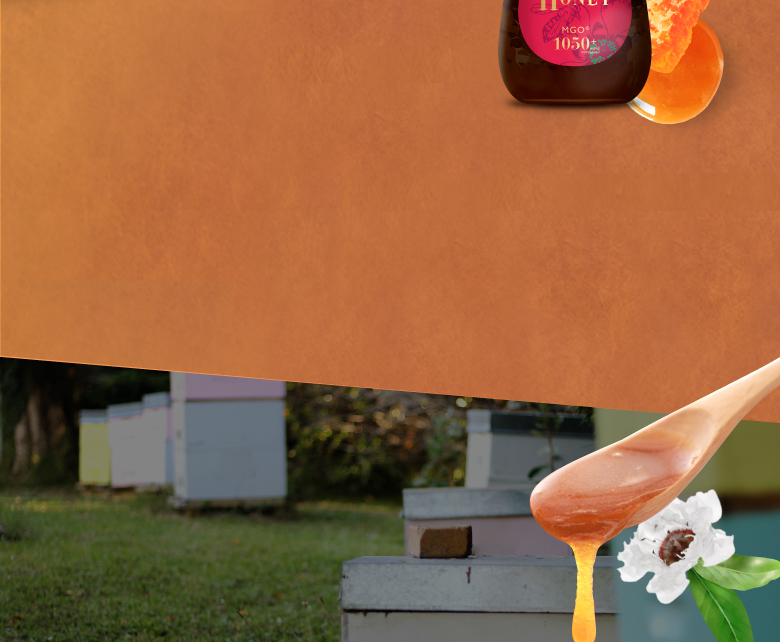
Pursuing High Activity Levels Daily
TCN Manuka Honey is harvested by bees from the nectar of Manuka tree flowers, specifically from the Incanum variety, which is known for its high activity levels. The beekeeping sites are located in natural forest areas with an estimated millions of Manuka trees growing densely within the properties. These sites are situated in a mountainous region blessed with a rich natural environment, which can be considered the homeland of the Manuka tree. They are located tens of kilometers away from farmland, pastures, human settlements, and paved roads. Beekeeping activities are centered around this mountainous region. Through comprehensive research on high-activity flower nectar data, we determine the most suitable harvesting locations each season. This involves meticulous pre-season investigations to identify sites where the nectar is expected to have the highest activity levels and optimal taste as a food product.
Customer health can only be achieved if the bees themselves are healthy.
To obtain high-activity and high-quality honey, we believe that compassion for honeybees and minimizing stress in their care are crucial. Larger-scale beekeeping tends to become more artificial, leading to a greater disconnect from nature. We strive to maintain beekeeping practices that allow the bees to operate as naturally as possible, based on the experience of our experienced beekeeper.
يتم حصاد عسل المانوكا من TCN بواسطة النحل من رحيق أزهار شجرة المانوكا، وتحديدًا من نوع Incanum المعروف بمستويات نشاطه العالية. تقع مواقع تربية النحل في مناطق غابات طبيعية، حيث يزرع ملايين أشجار المانوكا بكثافة ضمن الملكيات. هذه المواقع تقع في منطقة جبلية تتمتع ببيئة طبيعية غنية، يمكن اعتبارها موطن شجرة المانوكا الأصلي. تبعد هذه المواقع عشرات الكيلومترات عن الأراضي الزراعية والمراعي والمستوطنات البشرية والطرق المعبدة، وتتركز أنشطة تربية النحل حول هذه المنطقة الجبلية.
من خلال أبحاث شاملة حول بيانات رحيق الأزهار عالية النشاط، نحدد كل موسم أفضل المواقع للحصاد. يشمل ذلك استطلاعات دقيقة قبل الموسم لتحديد المواقع التي يُتوقع أن يحتوي رحيقها على أعلى مستويات النشاط وأفضل مذاق كمنتج غذائي.
صحة العملاء تبدأ بصحة النحل
للحصول على عسل عالي النشاط وعالي الجودة، نؤمن بأن الرحمة تجاه النحل وتقليل التوتر في رعايتهما أمران حاسمان. تميل تربية النحل على نطاق واسع إلى أن تصبح أكثر صناعية، مما يزيد الانفصال عن الطبيعة. نحن نسعى للحفاظ على ممارسات تربية النحل التي تسمح للنحل بالعمل بشكل طبيعي قدر الإمكان، استنادًا إلى خبرة نحالينا المتمرسين.

About Herbicide
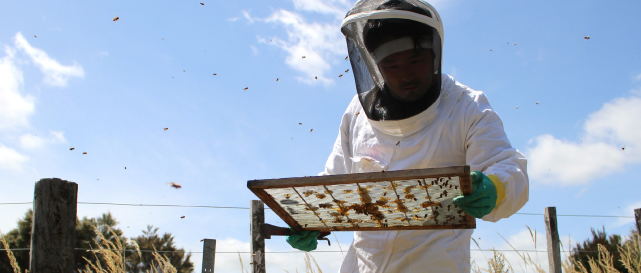
The beekeeping sites located in various areas of New Zealand’s North Island cover approximately 200 acres and are spread across an estimated 1.5 million native Manuka trees. Beekeeping activities are conducted in this pristine natural environment, and no chemicals are used within the apiaries for any reason. We have been committed to providing safe and reliable products for some time.
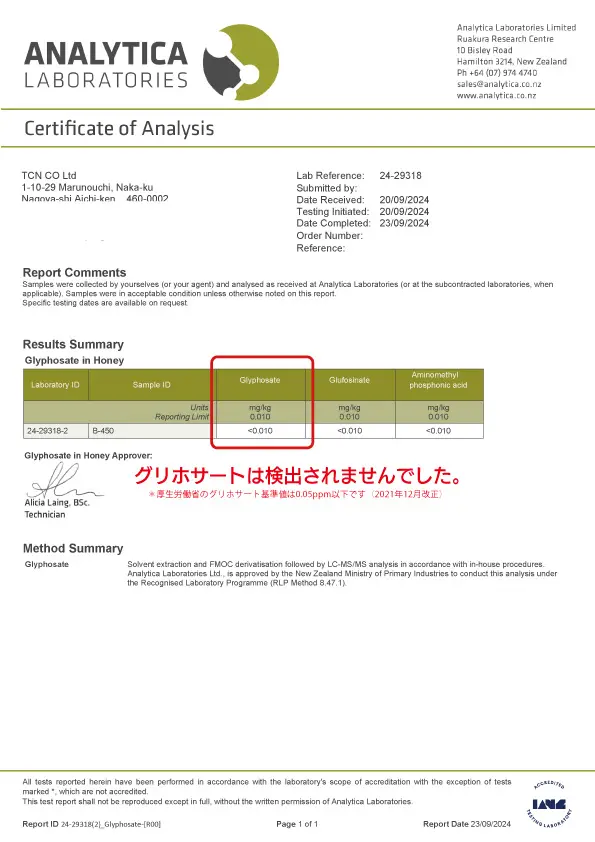
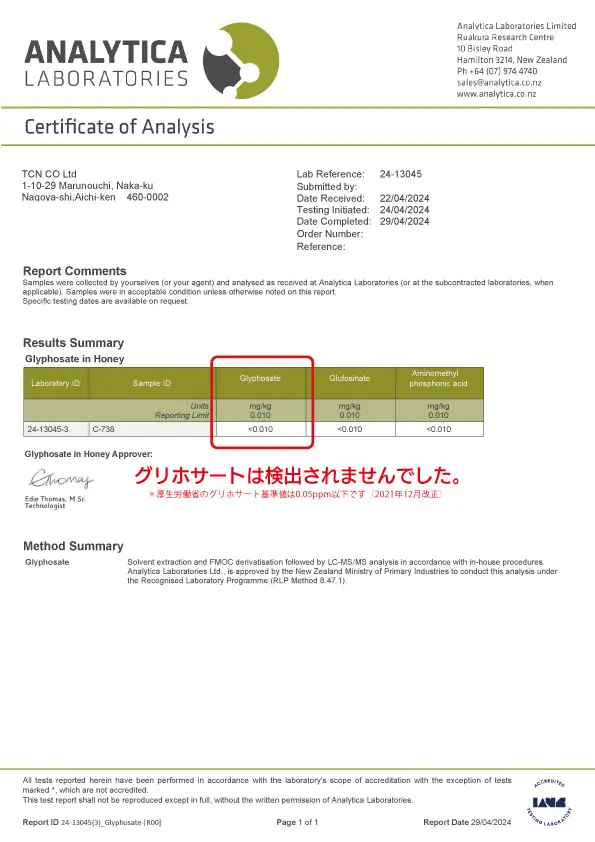
The New Zealand Ministry for Primary Industries mandates residue pesticide testing by accredited agencies for exports, effective January 21, 2021.
Only those products with glyphosate residue concentrations below 0.05 ppm, in accordance with Japan’s new standards, are permitted for export. Please note that the mandated testing method is random sampling.
تقع مواقع تربية النحل في مناطق متعددة من الجزيرة الشمالية لنيوزيلندا، وتمتد على مساحة تقارب ٢٠٠ فدان، حيث تنتشر ما يقارب ١.٥ مليون شجرة مانوكا أصلية. تُمارس أنشطة تربية النحل في هذا البيئة الطبيعية البكر، ولا تُستخدم أي مواد كيميائية داخل المناحل تحت أي ظرف. لقد التزمنا منذ زمن طويل بتقديم منتجات آمنة وموثوقة.
اعتبارًا من ٢١ يناير ٢٠٢١، تفرض وزارة الصناعات الأولية في نيوزيلندا إلزامية اختبارات متبقيات المبيدات من خلال وكالات معتمدة للتصدير.
ووفقًا للمعايير اليابانية الجديدة، لا يُسمح بالتصدير إلا للمنتجات التي تحتوي على تراكيز متبقيات الغليفوسات أقل من 0.05 جزء في المليون. مع العلم أن طريقة الاختبار المفروضة تعتمد على أخذ عينات عشوائية.

To improve accuracy, we go a step further by conducting testing on all samples.
With 100% traceability, our Japanese experienced beekeeper on-site ensures that all raw materials are tested by accredited agencies. Additionally, after arriving in Japan, the raw materials are tested again by accredited agencies. We guarantee that only raw materials that have passed testing are filled into our pots.
Test Results
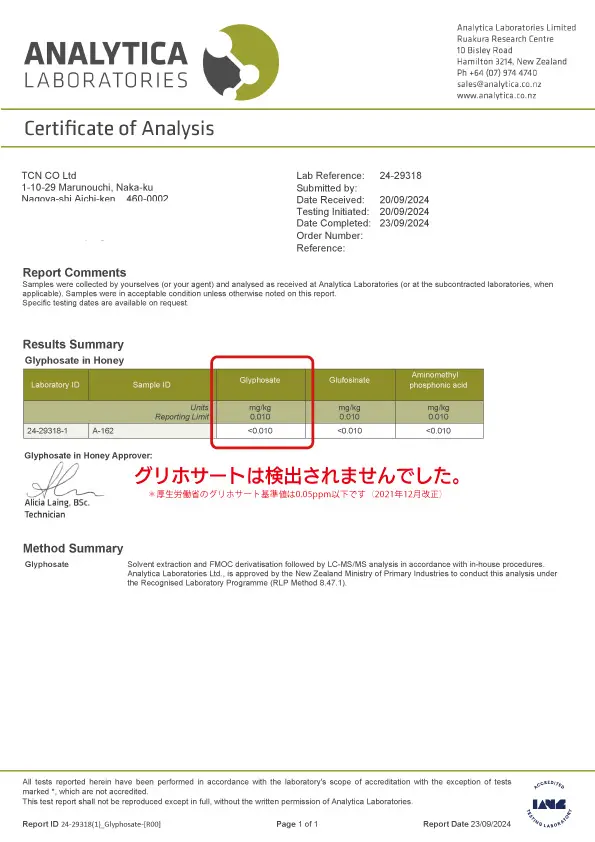
As shown in the certificates below, all samples tested negative for glyphosate. To continue earning your trust, we will update the test results for the honey we use.
لتحقيق أعلى مستويات الدقة، نذهب خطوة أبعد من المتطلبات المعتادة عبر إجراء الاختبارات على جميع العينات دون استثناء. وبفضل نظام تتبع كامل بنسبة 100٪، يشرف النحال الياباني الخبير المقيم في الموقع على أن يتم اختبار جميع المواد الخام من قبل وكالات معتمدة. وبالإضافة إلى ذلك، تُعاد الاختبارات مرة أخرى بعد وصول المواد الخام إلى اليابان بواسطة وكالات معتمدة. وبذلك، نضمن أن فقط المواد الخام التي اجتازت جميع الاختبارات تُعبّأ في أوعيتنا الفاخرة.
نتائج الاختبارات
كما هو موضح في الشهادات أدناه، جميع العينات جاءت سلبية بالنسبة لمادة الغليفوسات. ومن أجل مواصلة كسب ثقتكم، سنقوم بتحديث نتائج الاختبارات بشكل دوري للعسل المستخدم في منتجاتنا.
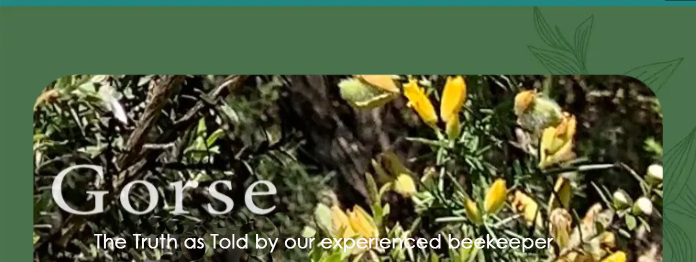
In New Zealand’s North Island, where the seasons are opposite to Japan’s, the first signs of spring have begun to appear. The sunlight is growing brighter each day, and the young leaves of the Manuka are starting to sprout. In contrast, the vibrant golden “gorse,” a thorny weed flower that blooms in winter and was introduced from England, has completely lost its vigor and is beginning to wither. In Japan, there has been news suggesting that herbicides containing “glyphosate potassium salt” (such as the product “Roundup”) might be present as residues in New Zealand honey, as reported by some writers. We have received numerous inquiries about this issue. However, this issue has been around for a while, so it’s not news. It is not limited to honey; all agricultural products face this risk. Since agriculture involves a constant battle against weeds, herbicide issues are inevitable. I’ve heard that some rice farmers in Japan grow rice for personal use in separate paddies to avoid this problem. August 18, 2020 (Tuesday)
مسألة المبيدات العشبية في اليابان، ظهرت أخبار تتحدث عن احتمال وجود بقايا من مبيدات الأعشاب التي تحتوي على ملح البوتاسيوم من الغليفوسات (مثل المنتج التجاري المعروف “راوند أب”) في بعض أنواع العسل المستورد من نيوزيلندا، وفقًا لبعض الكُتّاب. وقد تلقّينا بالفعل العديد من الاستفسارات حول هذا الأمر.
لكن تجدر الإشارة إلى أن هذه المسألة ليست جديدة؛ بل إنها قديمة وتخص جميع المنتجات الزراعية، وليست محصورة في العسل وحده. فالزراعة هي صراع دائم مع الأعشاب الضارة، ومن الطبيعي أن تظهر مثل هذه التحديات في هذا المجال.
حتى في اليابان، نسمع أن بعض مزارعي الأرز يزرعون لأنفسهم في حقول منفصلة لتجنب هذا النوع من المخاطر.
18 أغسطس 2020 (الثلاثاء)
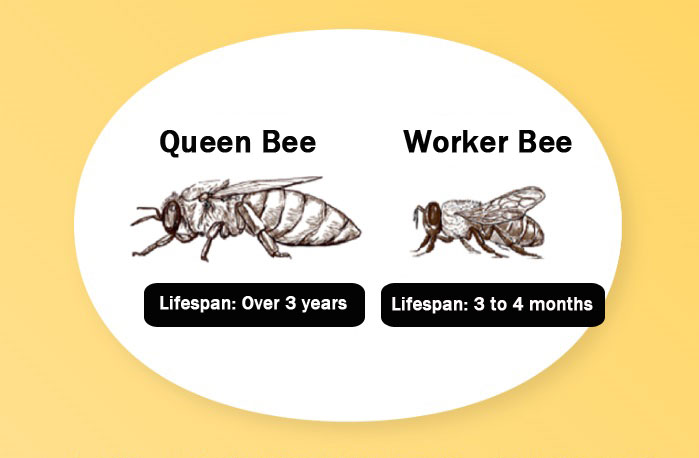
About Worker Bees
In fact, worker bees have both outdoor and indoor duties. Worker bees that are around 20 days old perform various tasks inside the hive as indoor bees. It is only after they are more than 20 days old that they begin to collect nectar and pollen as outdoor bees. The reason for this is that worker bees face the risk of predation when they go outside. Due to their unique biological structure, which causes them to die after stinging, older bees take on outdoor duties. Additionally, most aggressive bees are outdoor bees, while indoor bees rarely sting.
في الحقيقة، تؤدي النحلات العاملات مهام داخلية وخارجية على حد سواء. فعندما تبلغ النحلة حوالي 20 يومًا من عمرها، تقوم بأعمال متعددة داخل الخلية وتُعرف حينها بـ “النحلة الداخلية”. وبعد تجاوز هذه المرحلة، تبدأ مهمتها كـ “نحلة خارجية” فتخرج لجمع الرحيق وحبوب اللقاح. والسبب في هذا التدرّج أن الخروج من الخلية يعرّضها لمخاطر المفترسات. وبما أن البنية البيولوجية للنحلة تجعلها تموت بعد اللسع، فإن النحلات الأكبر سنًا تتولى هذه المهام الصعبة. ولهذا السبب، فإن أكثر النحلات شراسة هي النحلات الخارجية، في حين أن النحلات الداخلية نادرًا ما تلسع.
Why Matured Raw Manuka Honey Has High Sugar Content
There is a reason why honeybees produce honey with high sugar content. It is to achieve stability for food storage. Higher sugar content reduces water activity, which in turn inhibits the growth of microorganisms. The high sugar content helps prevent issues such as fermentation, where the sugars in the honey could turn into alcohol, making it unusable as an energy source for bees during winter. On a related note, it’s said that in ancient Egypt, newlyweds would drink honey wine for a month as a tradition. This wine is made by diluting honey with water and encouraging fermentation, and this practice is believed to be the origin of the term “honeymoon.”
إن إنتاج العسل بنسبة عالية من السكر ليس مصادفة، بل هو حكمة طبيعية أودعها الخالق في سلوك النحل. فهذه النسبة العالية من السكر تمنح العسل استقرارًا مثاليًا للتخزين، إذ تقلل من نشاط الماء داخله مما يعيق نمو الكائنات الدقيقة. كما أن هذه الخصائص تمنع حدوث التخمر، الذي قد يحوّل سكريات العسل إلى كحول ويجعله غير صالح كمصدر للطاقة بالنسبة للنحل في فصل الشتاء. ومن الطريف أن نذكر أن في مصر القديمة، كان المتزوجون حديثًا يشربون “خمر العسل” لمدة شهر كامل بعد الزواج. وهو شراب يُحضّر بتخفيف العسل بالماء وتشجيع عملية التخمير، ويُعتقد أن هذه العادة هي أصل تسمية الفترة المعروفة اليوم بـ “شهر العسل”.