
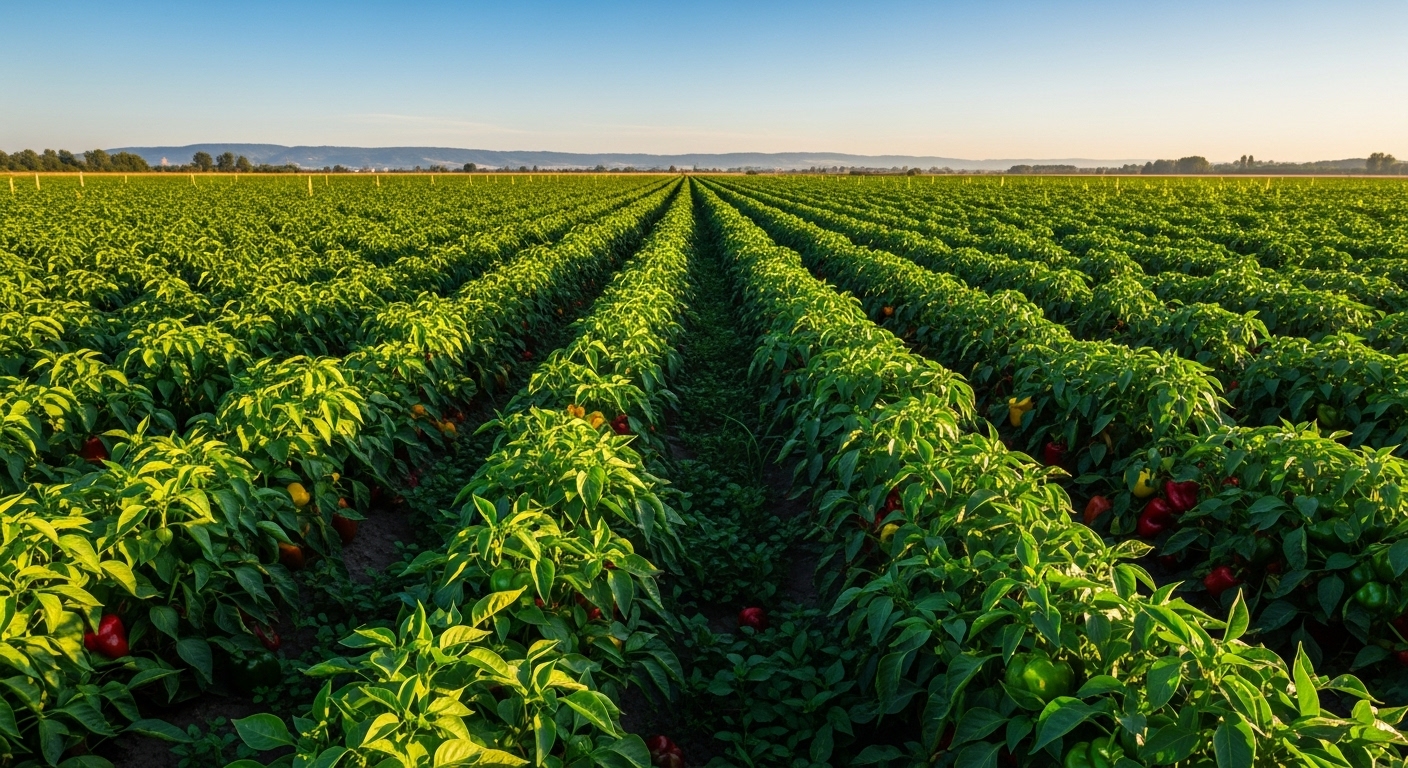
Returning to my experiences in the Amazon during my student days, it brings to mind the era of development in the untouched primeval forests. At that time, settlers from abroad were given favorable terms for developing uncultivated land, enabling them to purchase vast areas of land at unbelievably low prices from the governments of Brazil or Peru. The negotiations for these transactions were incredibly crude, with land sold by the kilometer along the Amazon River basin. Settlers often acquired dozens or even hundreds of kilometers of riverside property without any limitations on depth. All land they managed to clear and develop became entirely theirs under the policies of that era.
Through slash-and-burn agriculture, the pristine forests were cleared, and virgin land was initially planted with legumes such as corn and soybeans. Leguminous plants play a critical role in enriching the soil by fixing atmospheric nitrogen through nitrogen-fixing bacteria in their roots, contributing to the fertility of the land. At the time, monoculture plantations of crops like pepper were widespread, driven by its strategic value as a commodity during the Vietnam War era, particularly for anti-communist defense. Pepper was a key ingredient in food preservation for soldiers, including canned goods. The fertile lands of the Amazon yielded remarkable harvests, making the monoculture approach highly productive.
For about a decade, the cultivation of crops like pepper thrived under these conditions. However, unexplained diseases and pests began to affect the pepper plants, eventually leading to the near-total collapse of these plantations. A similar fate befell an ambitious project led by the Ford Motor Company under the direct supervision of its founder, Henry Ford. The company invested substantial financial and mechanical resources to establish a monoculture plantation for natural rubber production, essential for tire manufacturing. This venture was undertaken in the heart of the Amazon, along the Tapajós River basin, where vast tracts of jungle were cleared for the operation. Ultimately, the project failed, and Ford had to withdraw, mirroring the disastrous end of the pepper plantations.
The question arises: what led to these failures? The monoculture plantations of pepper and rubber, which temporarily seemed successful, ultimately proved unsustainable. This was because they violated the laws of nature, favoring methods that exclusively served human convenience while excluding and displacing other organisms. Through firsthand experience, I realized that this outcome was a form of invasion, resulting from an imbalance created by rejecting the harmony of biodiversity. It became evident to me that this planet is not exclusively for humans; we are merely one species among countless others in the web of life. Incidentally, I visited the Tapajós River multiple times, a rare gem in the Amazon with its crystal-clear waters—vastly different from the murky torrents of the main river or its other tributaries. It felt like a paradise, distinct from the rest of the Amazon. To this day, the remnants of Henry Ford’s dream remain there, with an old water tower marked “Ford” still standing tall, a relic of his vision for an ideal settlement.
Our products have been utilized by over 100,000 customers to date. Many customers have shared that they purchase our products as a countermeasure against chronic gastritis caused by infections. We have also received numerous reports of positive results from individuals who were unable to achieve eradication with antibiotics or other antimicrobial drugs, even in cases involving drug-resistant bacteria. In such cases of chronic infectious diseases, follow-up tests often show a significant decrease in the bacterial count, although it rarely reaches zero. Once the bacterial count is reduced to a certain level, it appears that the immune system is able to suppress the onset of symptoms effectively.
Artificial antibiotics, such as those produced by pharmaceutical companies, are indiscriminate in their toxicity toward microorganisms. They launch an attack on all bacteria in the digestive system. Even harmful or undesirable bacteria that are detrimental to humans are, after all, living organisms on this planet. The use of artificial antimicrobial agents inevitably leads to the emergence of drug-resistant bacteria. I cannot help but feel that there is a similarity between this and the monoculture plantations that were established by burning down the Amazon rainforest, as mentioned earlier.
It becomes increasingly evident that human life cannot sustain itself without coexisting harmoniously with nature. Practices like feeding cattle to cattle, confining animals to mere square feet of space to maximize growth, cutting beaks with hot irons to force-feed them, or producing chicken and pork with feed laden with high doses of antibiotics over short periods highlight a troubling disregard for ethical and ecological balance. Issues such as BSE (mad cow disease), acute pneumonia, influenza caused by animal-borne viruses, and other zoonotic diseases serve as stark warnings. Even in agriculture, the widespread use of antibiotics in fertilizers seems fundamentally misguided.
عند العودة إلى تجاربي في الأمازون خلال أيام دراستي، أتذكر عصر التنمية في الغابات البكر غير المستكشفة. في ذلك الوقت، كان يُمنح المستوطنون الأجانب شروطًا ميسرة لتطوير الأراضي غير المزروعة، ما أتاح لهم شراء مساحات شاسعة بأسعار منخفضة للغاية من حكومات البرازيل أو بيرو. كانت مفاوضات هذه الصفقات بدائية للغاية، حيث كان يُباع الأرض بالكيلومتر على طول حوض نهر الأمازون. غالبًا ما استحوذ المستوطنون على عشرات أو حتى مئات الكيلومترات من الأراضي المطلة على النهر دون أي قيود على العمق. وكل الأرض التي تمكنوا من تطهيرها وتطويرها أصبحت ملكًا لهم بالكامل وفق سياسات تلك الحقبة.
من خلال الزراعة بالحرق وقطع الأشجار، تم تطهير الغابات البكر، وزُرعت الأراضي الأولية بالمحاصيل البقولية مثل الذرة وفول الصويا. تلعب النباتات البقولية دورًا حيويًا في إثراء التربة من خلال تثبيت النيتروجين الجوي عبر البكتيريا المثبتة للنيتروجين في جذورها، مما يعزز خصوبة الأرض. في ذلك الوقت، كانت مزارع أحادية المحصول واسعة الانتشار، مثل زراعة الفلفل، نظرًا لقيمته الاستراتيجية كسلعة خلال حرب فيتنام، وخاصة لأغراض حفظ الأغذية للجنود، بما في ذلك المعلبات. وقد أفرزت الأراضي الخصبة في الأمازون محاصيل مذهلة، مما جعل النهج أحادي المحصول عالي الإنتاجية.
لمدة حوالي عقد من الزمن، ازدهرت زراعة المحاصيل مثل الفلفل تحت هذه الظروف، لكن أمراضًا وآفات غير مفسرة بدأت تؤثر على النباتات، مما أدى في النهاية إلى انهيار شبه كامل لهذه المزارع. وقد واجه مشروع طموح مماثل قادته شركة فورد للسيارات تحت الإشراف المباشر لمؤسسها هنري فورد، حيث استثمرت الشركة موارد مالية وآلية كبيرة لإنشاء مزرعة أحادية المحصول لإنتاج المطاط الطبيعي، الضروري لصناعة الإطارات، في قلب الأمازون على طول نهر تاباجوس، حيث تم تطهير مساحات شاسعة من الغابة لهذا الغرض. في النهاية، فشل المشروع واضطرت فورد للانسحاب، في نهاية مشابهة لما حدث لمزارع الفلفل.
يتبادر السؤال: ما السبب وراء هذه الفشل؟ لقد أثبتت مزارع الفلفل والمطاط أحادية المحصول، التي بدت ناجحة مؤقتًا، أنها غير مستدامة. ويرجع ذلك إلى انتهاكها قوانين الطبيعة، واعتمادها على طرق تخدم الراحة البشرية فقط مع استبعاد وإزاحة الكائنات الأخرى. ومن خلال التجربة المباشرة، أدركت أن هذه النتيجة كانت شكلًا من أشكال الغزو، ناتجًا عن اختلال التوازن الناتج عن رفض تناغم التنوع البيولوجي. أصبح واضحًا أن هذا الكوكب ليس مخصصًا للبشر فقط؛ فنحن مجرد نوع واحد بين عدد لا يحصى من الكائنات الحية في شبكة الحياة. بالمناسبة، زرت نهر تاباجوس عدة مرات، وهو جوهرة نادرة في الأمازون بمياهه الصافية، مختلف تمامًا عن المياه العكرة للنهر الرئيسي أو روافده الأخرى. حتى اليوم، لا تزال بقايا حلم هنري فورد قائمة هناك، مع برج مياه قديم يحمل شعار “Ford” واقفًا شامخًا، شاهدًا على رؤيته لمستوطنة مثالية.
لقد استخدم أكثر من 100,000 عميل منتجاتنا حتى اليوم. وأفاد العديد منهم بأنهم يشترون منتجاتنا كإجراء وقائي ضد التهاب المعدة المزمن الناجم عن العدوى. كما تلقينا العديد من التقارير الإيجابية من أشخاص لم يتمكنوا من القضاء على العدوى باستخدام المضادات الحيوية أو الأدوية المضادة للميكروبات الأخرى، حتى في الحالات التي شملت بكتيريا مقاومة للأدوية. في مثل هذه الحالات، غالبًا ما تُظهر الفحوصات اللاحقة انخفاضًا ملحوظًا في عدد البكتيريا، رغم أنه نادرًا ما يصل إلى الصفر. وبمجرد أن ينخفض عدد البكتيريا إلى مستوى معين، يبدو أن الجهاز المناعي قادر على كبح ظهور الأعراض بشكل فعال.
تعتبر المضادات الحيوية الصناعية، مثل تلك التي تنتجها شركات الأدوية، غير تمييزية في سمّيتها تجاه الكائنات الدقيقة، حيث تهاجم جميع البكتيريا في الجهاز الهضمي. وحتى البكتيريا الضارة أو غير المرغوبة، التي تؤذي الإنسان، هي في النهاية كائنات حية على هذا الكوكب. ويؤدي استخدام العوامل المضادة للميكروبات الصناعية حتمًا إلى ظهور بكتيريا مقاومة للأدوية. ولا يسعني إلا أن أشعر أن هناك تشابهًا بين هذا وبين مزارع أحادية المحصول التي تم إنشاؤها بحرق غابات الأمازون، كما ذُكر سابقًا.
يصبح من الواضح بشكل متزايد أن الحياة البشرية لا يمكن أن تستمر دون التعايش بتناغم مع الطبيعة. وتبرز بعض الممارسات، مثل إطعام الأبقار للأبقار، أو حصر الحيوانات في مساحات ضيقة لزيادة النمو، أو قطع مناقير الطيور لإجبارها على التغذية، أو إنتاج الدواجن والخنازير على أعلاف محملة بجرعات عالية من المضادات الحيوية في فترة قصيرة، كمؤشرات على تجاهل أخلاقي وبيئي مقلق. كما تمثل قضايا مثل مرض جنون البقر (BSE)، والالتهاب الرئوي الحاد، والإنفلونزا الناتجة عن الفيروسات الحيوانية، وغيرها من الأمراض المشتركة بين الإنسان والحيوان، تحذيرات صارخة. وحتى في الزراعة، يبدو أن الاستخدام الواسع للمضادات الحيوية في الأسمدة ممارسة خاطئة جوهريًا.