
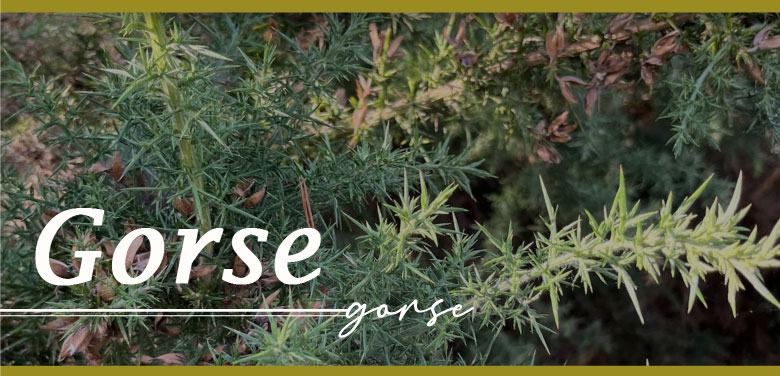
The gorse, a thorny weed that can grow up to two meters tall, is said to have been introduced during the colonial period as a hedge plant or to prevent slugs from invading crops. Today, it can be found almost everywhere across New Zealand. Particularly when it invades pastures, its vigorous growth allows it to spread rapidly, making it a troublesome weed for the livestock industry.
(Other invasive plants include tobacco weed, wild rose, kikuyu, and wild berry.) Although beekeeping is classified as part of the livestock industry, for us, gorse is an extremely important plant because it is one of the few that flowers in winter. Its pollen provides bees with a high-quality source of protein, which is essential, particularly for the growth of larvae. Therefore, even if gorse grows within our apiaries, we never regard it as an enemy.
يُعدّ نبات الجورس (Gorse) من الأعشاب الشوكية التي قد يصل ارتفاعها إلى مترين، ويُقال إنه أُدخل إلى نيوزيلندا في الحقبة الاستعمارية ليُستخدم كسياج طبيعي أو لحماية المحاصيل من هجوم القواقع. واليوم، ينتشر هذا النبات في معظم أنحاء نيوزيلندا، وقد أصبح مشكلة حقيقية في المراعي بسبب نموه السريع وقدرته العالية على الانتشار، مما يجعله عشبًا مزعجًا لصناعة الثروة الحيوانية.
(ومن النباتات الغازية الأخرى: عشب التبغ البري، الورد البري، الكيكويو، والتوت البري). وعلى الرغم من أن تربية النحل تُصنف ضمن فروع الثروة الحيوانية، إلا أن نبات الجورس بالنسبة لنا يُعدّ ذا أهمية بالغة، فهو من النباتات القليلة التي تُزهر في فصل الشتاء. ويُشكّل لقاحه مصدرًا غنيًا بالبروتين عالي الجودة الذي تحتاجه النحلات الصغيرة في طور النمو.
لذلك، حتى وإن نما نبات الجورس داخل مناحلنا، فنحن لا نعتبره عدوًا أبدًا — بل نراه رمزًا للتوازن بين الطبيعة والنحل، وعنصرًا أساسيًا في دورة الحياة التي تمنح عسلنا النيوزيلندي الفاخر قوّته ونقاءه الاستثنائي.
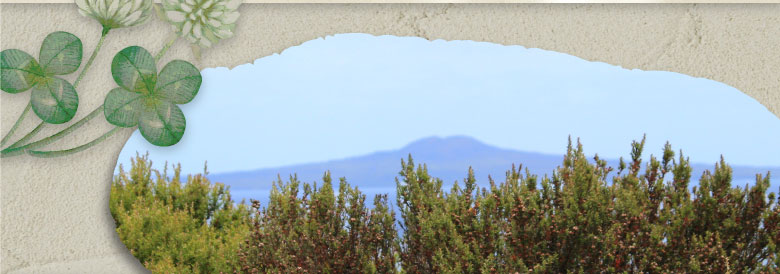
I have been working as a beekeeper here for over 25 years, and without this flower, it would have been difficult for my bees to survive the winter. However, for ranchers, gorse is nothing but trouble.. Valuable pasture plants, including nutritious clover, are ruined by this invasive species, whose reproductive power is extraordinary. To control it, dense gorse stands are often treated with glyphosate-based herbicides such as Roundup, applied either by tractor-drawn sprayers known as speed sprayers or by aerial spraying from helicopters.
The impact on honey is particularly evident when clover is the primary nectar source. Therefore, if farmland or pasture is located close to an apiary, it becomes difficult to avoid this influence. My own beekeeping site is situated in a remote mountainous area, where the only sounds are the wind passing through the manuka trees and the buzzing of the bees. This isolation is essential, as otherwise it would be difficult to harvest highly active manuka honey.
وللحدّ من انتشاره، تُستخدم عادة مبيدات الأعشاب الكيميائية التي تحتوي على مادة الغليفوسات مثل “راوند أب” (Roundup)، سواء عبر الرشّ بالمركبات الزراعية المزوّدة برشاشات عالية الضغط أو من خلال الرشّ الجوي بالطائرات المروحية.
إنّ تأثير هذه المواد يظهر بوضوح في العسل، خصوصًا عندما يكون الرحيق الأساسي من أزهار البرسيم. ولهذا السبب، إذا كانت المزارع أو المراعي قريبة من المناحل، يصبح من الصعب تجنّب تأثيرها.
أما منحلّي الخاص، فهو يقع في منطقة جبلية نائية، لا يُسمع فيها سوى صوت الرياح وهي تعانق أشجار المانوكا وهمهمة النحل في أرجاء الغابة. هذا العُزلة الطبيعية ليست رفاهية، بل شرط أساسي لإنتاج عسل المانوكا العالي النشاط — عسلٍ نقيٍّ يولد في قلب الطبيعة البكر، بعيدًا عن كل أثرٍ صناعي، ليقف شاهدًا على وعد النقاء والقوة التي تهبها الطبيعة وحدها.
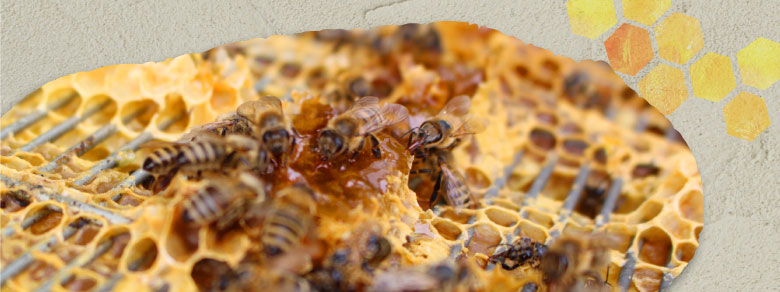
Manuka honey products exported to Japan are often made by blending various types of honey collected from across New Zealand. This practice is particularly common among large-scale producers, as their priority is to deliver standardized products and maintain a stable supply. Given that they are dealing with the global honey market, such an approach is perhaps inevitable. Nevertheless, although these products are marketed as ‘pure manuka honey,’ the reality is far less transparent.
The ranking of Manuka honey is determined by the concentration of its unique compound, methylglyoxal (MGO). Mass-produced Manuka honey is often blended with cheaper honey in order to achieve a moderate level of activity. This approach is far more profitable and allows for a stable supply compared to selling genuine Manuka honey. We have been producing our own Manuka honey for over 25 years, with a deep understanding of its unique qualities, continually challenging the limits of its activity. At the same time, we uphold a production philosophy of creating pure products at a reasonable price. Therefore, it is against our pride as craftsmen to dilute our hard-earned authentic honey with cheap clover honey, which may even be affected by herbicides.
يُحدَّد تصنيف عسل المانوكا الحقيقي وفقًا لتركيز مركّبه الفريد المعروف باسم الميثيل غليوكسال (MGO)، وهو المكوّن المسؤول عن نشاطه الحيوي المتميز. لكن العسل المنتج بكمياتٍ ضخمة يُخلَط عادة بعسلٍ أرخص ثمنًا للوصول إلى مستوى نشاطٍ معتدل، وهو ما يجعل العملية أكثر ربحًا وأسهل في الحفاظ على الإمداد المنتظم، مقارنةً ببيع عسل مانوكا أصيلٍ وعالي النقاء.
أما نحن، فقد كرسنا أكثر من خمسةٍ وعشرين عامًا لإنتاج عسل مانوكا نقي من مناحلنا الخاصة، مستندين إلى فهمٍ عميق لخواصه الفريدة وساعين دومًا إلى بلوغ أقصى درجات النشاط الطبيعي، مع التزامٍ راسخٍ بفلسفة إنتاجٍ تقوم على النقاء الحقيقي والسعر العادل.
ولهذا، فإنّ تخفيف عسلنا الأصيل والمستخلص من قلب الطبيعة البرية بـ عسل البرسيم الرخيص الذي قد يكون ملوثًا بالمبيدات، هو أمر يتنافى مع كبريائنا كحرفيين ومع قَسَمنا للحفاظ على صدق ما تهبه لنا الطبيعة من صفاءٍ وقوةٍ لا نظير لهما.
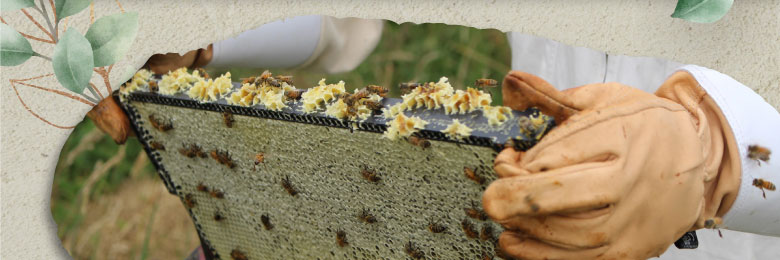
Filled at a certified domestic JAS (Japanese Agricultural Standard) facility
In recent years, Manuka honey has gained worldwide popularity and is regarded as a premium honey. However, the reliability of some New Zealand filling companies has been questioned, and there are frequent reports of different types of honey being mixed during the filling process. At our company, the honey we produce—together with that from small partner apiaries under our guidance—is exported directly in bulk and filled at a JAS-certified factory in Japan. As a result, our products are entirely free from concerns such as herbicide contamination and are fundamentally different from mass-produced honey.
في السنوات الأخيرة، اكتسب عسل المانوكا شهرةً عالمية واسعة، وبات يُعَدّ من بين أفخر أنواع العسل في العالم. غير أنّ مصداقية بعض شركات التعبئة في نيوزيلندا أصبحت محلّ تساؤل، إذ تتكرر التقارير حول خلط أنواعٍ مختلفة من العسل أثناء عملية التعبئة، مما يُفقد المنتج أصالته وجودته الحقيقية.
أما نحن، فإنّ العسل الذي ننتجه بأنفسنا — إلى جانب العسل الذي يأتي من مناحل صغيرة شريكة تعمل تحت إشرافنا المباشر — يُصدَّر بشكله الخام مباشرة إلى اليابان، ثم يُعبَّأ حصريًا في مصنعٍ معتمد رسميًا وفق المعيار الزراعي الياباني (JAS).
وبذلك نضمن أن تكون منتجاتنا خالصة تمامًا من أي شوائب أو ملوثات، وخاصةً من آثار مبيدات الأعشاب مثل الغليفوسات، لتبقى متميزة في نقائها وجودتها العالية، ومتفردة تمامًا عن العسل التجاري المُنتج بكمياتٍ ضخمة في الأسواق العالمية.

Concerns over glyphosate-based herbicides
Glyphosate-based herbicides work by inhibiting amino acid synthesis within plants, and when applied to leaves, they act as a near-universal killer, causing most plants to die. However, there are plants that naturally possess resistance to this herbicide, with clover being a representative example. While glyphosate is effective against a wide range of weeds, including grasses that spread across pastures, clover does not wither because of its resistance to glyphosate.
In pastures, clover is considered an essential forage crop, and glyphosate-based herbicides are regarded as ideal because they selectively eliminate competing weeds while leaving clover unaffected. This mechanism has also been exploited through genetic modification, in which herbicide-resistant genes from plants such as clover have been introduced into crops like soybeans, corn, and potatoes. As a result, even when herbicides are applied indiscriminately, the cultivated plants remain unharmed. This has significantly reduced production costs and is now widely adopted across the globe.
If this dangerous herbicide were sprayed around our apiary, all vegetation—including manuka trees and nutrient-rich plants like gorse, which are vital for our bees—would be completely destroyed down to the roots by glyphosate. Indeed, harvesting Manuka honey would never to be realized.
تعمل المبيدات العشبية التي تحتوي على الغليفوسات عن طريق تثبيط عملية إنتاج الأحماض الأمينية داخل النباتات. وعندما تُرَشّ على الأوراق، فإنها تعمل كمبيدٍ شامل تقريبًا، إذ تؤدي إلى موت معظم أنواع النباتات.
غير أن بعض النباتات تمتلك مقاومة طبيعية لهذه المادة الخطرة، ويُعَدّ البرسيم (Clover) من أبرز الأمثلة على ذلك. ففي حين أن الغليفوسات فعّال في القضاء على أنواعٍ عديدة من الأعشاب الضارة — بما في ذلك تلك التي تنتشر في المراعي — يبقى البرسيم صامدًا، دون أن يذبل أو يتأثر.
في المراعي الزراعية، يُعتبر البرسيم محصولًا أساسيًا لتغذية الماشية، ولذلك تُعَدّ مبيدات الغليفوسات خيارًا مثاليًا للمزارعين، إذ تقضي على الأعشاب المنافسة بينما تُبقي البرسيم دون ضرر.
وقد تم استغلال هذه الآلية في التقنيات الحيوية الحديثة، حيث أُدخلت جينات مقاومة لمبيدات الأعشاب — مثل تلك المأخوذة من البرسيم — إلى محاصيلٍ زراعية مثل فول الصويا والذرة والبطاطس. وبالتالي، حتى مع رشّ المبيدات على نطاقٍ واسع، تبقى هذه المحاصيل محصّنة ضد تأثير الغليفوسات، مما أدى إلى خفض كبير في تكاليف الإنتاج واعتماد هذه التقنية عالميًا.
أما في حال تمّ رش هذا المبيد الخطير حول مناحلنا، فإن جميع النباتات — بما في ذلك أشجار المانوكا والنباتات المغذية مثل الجورس التي تُعدّ مصدرًا رئيسيًا لغذاء نحلنا — ستُدمَّر تمامًا حتى الجذور. وفي تلك الحالة، لن يكون من الممكن إنتاج عسل المانوكا مطلقًا.
The Safest Food in the World
Since the establishment of our New Zealand branch in 1995, we have pursued one single goal: harvesting high-activity Manuka honey, entrusted entirely to nature. Our beekeeping takes place in remote mountain regions where Manuka trees grow in abundance.
Honey contaminated by herbicides, such as clover honey, or other mixed honeys is what mass producers rely on, but it bears no relation to us, as we are dedicated to purity.
منذ تأسيس فرعنا في نيوزيلندا عام 1995، اتجهت رؤيتنا نحو هدف واحد فقط — إنتاج عسل مانوكا فائق النشاط من خلال تربية نحلٍ يعتمد كليًا على الطبيعة.
تجري تربية نحلنا في مناطق جبلية نائية تنتشر فيها أشجار المانوكا بكثافة، بعيدًا عن المدن والمزارع التجارية.
أما العسل الملوث بالمبيدات العشبية — مثل عسل البرسيم — أو العسل الممزوج بأنواعٍ أخرى لأغراضٍ تجارية، فهو ما يعتمد عليه المنتجون الكبار، لكنه لا يمتّ إلينا بصلة. فنحن نكرّس أنفسنا للنقاء المطلق.
ولهذا السبب، فإن منتجاتنا خالصة تمامًا من أي آثارٍ بشرية مصطنعة، ولا تحتوي على أي شوائب أو ملوثات.
ونُعلن بكل فخر: منتجاتنا هي أنقى وأأمن غذاء في العالم.

For this reason, when it comes to our products, none of these human-made issues exist.
We proudly declare them to be the safest food in the world.
August 18, 2020 (Tuesday)
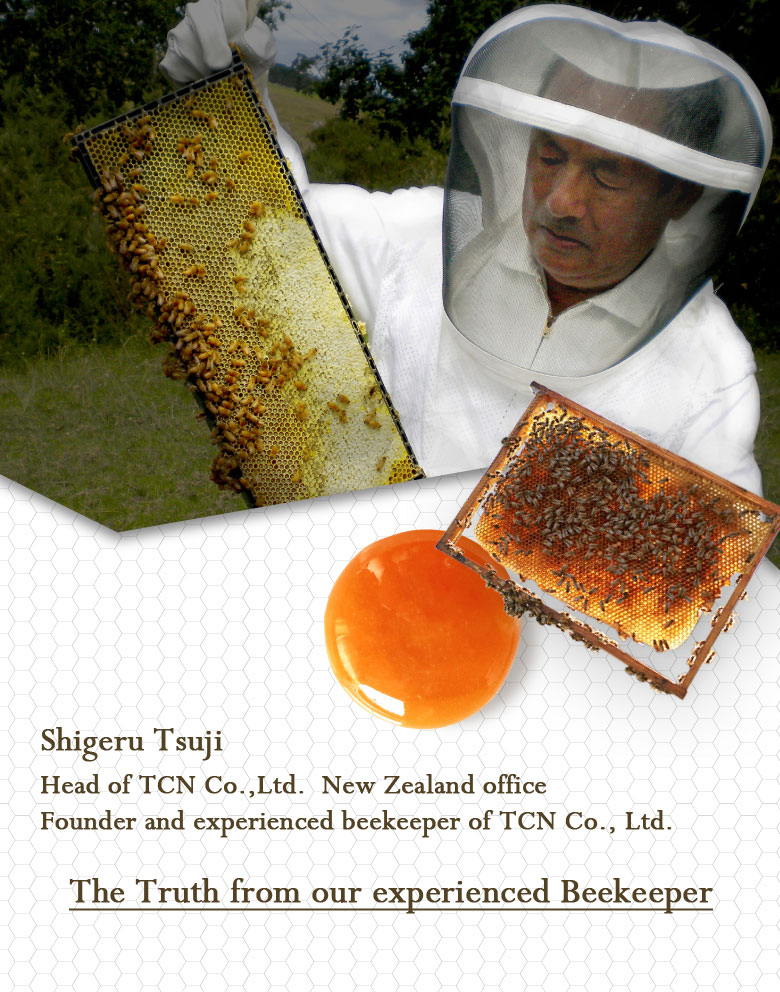
Shigeru Tsuji
Head of TCN Co.,Ltd. New Zealand office
Founder and experienced beekeeper of TCN Co., Ltd.