
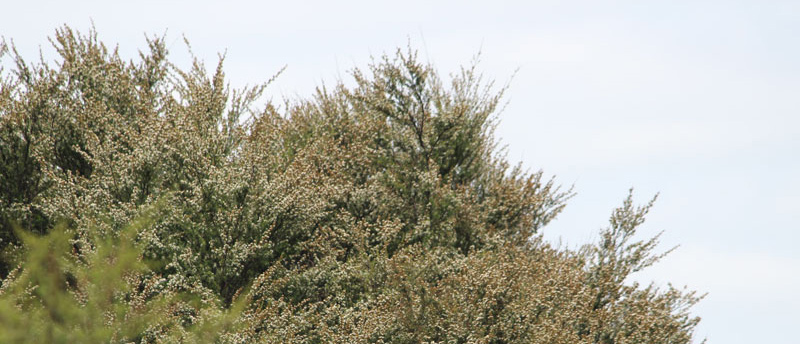
Manuka honey is a type of honey that bees collect from the nectar of the Manuka tree. The key difference between Manuka honey and other types of honey is that it contains a significantly higher amount of a unique compound called methylglyoxal (MGO), which has antibacterial and antiviral properties. Manuka honey is graded based on its MGO content; the higher the MGO content, the greater its activity level, and the more health benefits it can potentially offer. When selecting Manuka honey, the MGO level is a useful indicator of its potency.
1. The Rarity of High-Activity Manuka Honey
As the MGO level increases, the production of Manuka honey becomes more difficult, making it a rare commodity. Manuka honey with MGO 450 or higher accounts for less than 1% of New Zealand’s total production. One of the production conditions is that it comes from the Incanum variety of Manuka tree. While there are many subspecies of the Manuka tree, it is the “Incanum variety,” with its single-layered white petals, that is expected to yield high-activity Manuka honey.
At TCN, after much effort, we built a beekeeping farm in the northern part of New Zealand’s North Island, in a remote mountainous area far away from human settlements and paved roads where the Incanum variety grows naturally. The further north you go, the more Incanum trees there are, and it is only in these harsh lands north of Auckland that you can expect high-activity Manuka honey with a high MGO value. All of TCN’s Manuka honey comes from this Incanum variety.
Another crucial condition is maintaining healthy bees and hives. It’s necessary to manage the hives to prevent infections and ensure adequate food for overwintering and raising larvae, keeping the bee colonies in good health. The bees that grow under such care safely collect Manuka nectar and return it to the hive. Inside the hive, worker bees fan their wings to remove excess moisture, and once the sugar content exceeds 80%, the honey is sealed with beeswax. Only after this careful and time-consuming process is high-activity, high-quality “naturally matured Manuka honey” produced.
2. Health and Beauty Benefits of Manuka Honey
Raw, naturally matured Manuka honey contains natural MGO, which has antibacterial and antiviral properties, as well as beneficial enzymes, vitamins, and minerals. Since about 70% of the body’s immune system resides in the intestines, Manuka honey’s ability to regulate the intestinal environment (gut flora) can help boost immunity, improve overall health, and enhance beauty from within. It is also expected to be effective against Helicobacter pylori, gastroenteritis, oral diseases, skin conditions, and more.
Additionally, it can be used not only by eating but also by applying it directly to the skin. The sugars in raw, naturally matured Manuka honey differ from table sugar (sucrose), as once they reach a certain concentration in the blood, they are no longer absorbed. Furthermore, as it consists of simple sugars—glucose and fructose—it is quickly digested, absorbed, and converted into energy. Because of these properties, Manuka honey is suitable as a sweetener or nutritional supplement during dieting.
3. The Difference Between Manuka Honey and Medication
Manuka honey has antibacterial and antiviral properties, but it differs from chemical drugs. Many artificial antimicrobial agents, especially antibiotics, function through mechanisms that target specific components found only in bacteria, which humans lack. This makes them generally safe for human use, as they selectively target bacterial cells. However, bacteria that can resist these mechanisms inevitably emerge, leading to what is known as drug-resistant bacteria.
Manuka honey, being a natural active substance, operates through a much more complex mechanism than artificial antibiotics. It is believed that pathogens cannot easily avoid its toxicity. Moreover, the high-activity Manuka honey from TCN, which has been created through the tireless pursuit of Japanese experienced beekeeper, offers antibacterial and antiviral activity that far exceeds that of conventional drugs, without any of the side effects typically associated with medication. This is the greatest advantage of natural active substances like Manuka honey.
عسل المانوكا هو عسل نادر تستخلصه النحل من رحيق أزهار شجرة المانوكا النيوزيلندية الفريدة. ويتميّز هذا العسل عن سائر أنواع العسل الأخرى باحتوائه على نسبة مرتفعة جدًا من مركّب طبيعي استثنائي يُعرف باسم الميثيل غليوكسال (MGO)، وهو العنصر المسؤول عن خصائصه المضادة للبكتيريا والفيروسات.
يُصنّف عسل المانوكا وفقًا لمستوى الـMGO فيه؛ فكلما ارتفعت قيمته، زادت قوّته الحيوية وتعاظمت فوائده الصحية والجمالية. وعند اختيار عسل المانوكا، يُعد مستوى الـMGO مؤشرًا موثوقًا على فعاليته ونقائه.
ندرة عسل المانوكا عالي النشاط
كلما ارتفع محتوى الـMGO، أصبح إنتاج عسل المانوكا أكثر صعوبة وازداد ندرته. فالعسل الذي يحتوي على MGO 450 أو أكثر لا يشكّل سوى أقل من 1٪ من إجمالي إنتاج نيوزيلندا. ويُشترط لإنتاج هذا العسل الفاخر أن يكون مصدره من سلالة “إنكانوم” النادرة من أشجار المانوكا، وهي السلالة التي تُزهر بأوراق بيضاء مفردة وتنتج رحيقًا يُنتظر منه أعلى مستويات النشاط الحيوي.
لقد قامت شركة TCN، بعد سنوات من الجهد والعزيمة، بتأسيس منحلها الخاص في شمال جزيرة نيوزيلندا الشمالية، في منطقة جبلية نائية بعيدة تمامًا عن العمران والطرق المعبّدة، حيث تنمو أشجار الإنكانوم طبيعيًا في بيئة برية نقية. فكلما اتجهنا شمالًا، زاد انتشار هذه السلالة، ولا يمكن الحصول على عسل مانوكا عالي النشاط ومرتفع الـMGO إلا من هذه المناطق القاسية الواقعة شمال أوكلاند. إنّ جميع منتجات TCN من عسل المانوكا مصدرها حصريًا من هذه السلالة الفريدة.
ومن الشروط الجوهرية الأخرى صحة النحل وسلامة خلاياه. فالعناية الدقيقة بالخلايا، والحماية من العدوى، وتأمين الغذاء الكافي لفصل الشتاء وتربية الصغار، كلها عوامل تضمن وجود أسراب نحل قوية وسليمة. وبعد أن يجمع النحل الرحيق الثمين ويعود به إلى الخلية، تقوم النحلات العاملات بتحريك أجنحتهن لتبخير الرطوبة الزائدة حتى تصل نسبة السكريات إلى أكثر من 80٪، ثم يُغلق العسل بشمع النحل. بهذه العملية الدقيقة والبطيئة يُولد عسل المانوكا الطبيعي الناضج عالي النشاط، في أبهى صوره.
الفوائد الصحية والجمالية لعسل المانوكا
يحتوي عسل المانوكا الطبيعي الناضج على الميثيل غليوكسال (MGO) النشط طبيعيًا، إلى جانب مجموعة من الإنزيمات المفيدة والفيتامينات والمعادن. ونظرًا لأن نحو 70٪ من جهاز المناعة البشري يتمركز في الأمعاء، فإن قدرة عسل المانوكا على تحسين التوازن الميكروبي في الجهاز الهضمي (الفلورا المعوية) تساهم في تعزيز المناعة، وتحسين وظائف الجسم، وإبراز جمال صحي متوهّج من الداخل. كما يُتوقّع أن يكون فعّالًا ضد بكتيريا المعدة الحلزونية (هيليكوباكتر بايلوري)، والتهابات الجهاز الهضمي، وأمراض الفم والجلد، وغيرها. ويمكن استخدامه موضعيًا على البشرة إلى جانب تناوله بالفم.
ويتميّز عسل المانوكا بأن سكرياته الطبيعية تختلف عن سكر المائدة (السكروز)، إذ يتوقف امتصاصها تلقائيًا عند بلوغ تركيز معيّن في الدم، فلا تسبب ارتفاعًا مفرطًا في سكر الدم. كما أن مكوّنيه الأساسيين — الغلوكوز والفركتوز — من السكريات الأحادية التي تُهضم سريعًا وتتحوّل إلى طاقة نقية. لذلك، يُعدّ خيارًا مثاليًا لمن يتّبع نظامًا غذائيًا صحيًا ويبحث عن بديل طبيعي فاخر للتحلية والتغذية.
الفرق بين عسل المانوكا والدواء
رغم أن عسل المانوكا يتمتع بخصائص مضادة للبكتيريا والفيروسات، إلا أنه يختلف جذريًا عن الأدوية الكيميائية. فالكثير من المضادات الحيوية الصناعية تعمل بآليات تستهدف مكوّنات موجودة حصريًا في الخلايا البكتيرية، مما يجعلها آمنة نسبيًا على الإنسان. لكن مع مرور الوقت، تظهر أنواع من البكتيريا قادرة على مقاومة هذه الآليات، فيما يُعرف بـ البكتيريا المقاومة للمضادات الحيوية. أما عسل المانوكا، بصفته مادة طبيعية نشطة، فيعمل من خلال آلية معقّدة متعددة الأوجه تجعل من الصعب على الجراثيم تطوير مقاومة
تجاهه. ويُعد عسل المانوكا عالي النشاط من TCN، الذي تم التوصّل إليه عبر عقود من الخبرة والإتقان الياباني، واحدًا من أقوى أنواع العسل في العالم من حيث القدرة المضادة للبكتيريا والفيروسات، متفوّقًا على العديد من الأدوية التقليدية، ودون أي آثار جانبية. وهذا ما يجعل عسل المانوكا تجسيدًا حقيقيًا لقوة الطبيعة النقية — دواء من صنع الخالق، لا من صنع الإنسان.