
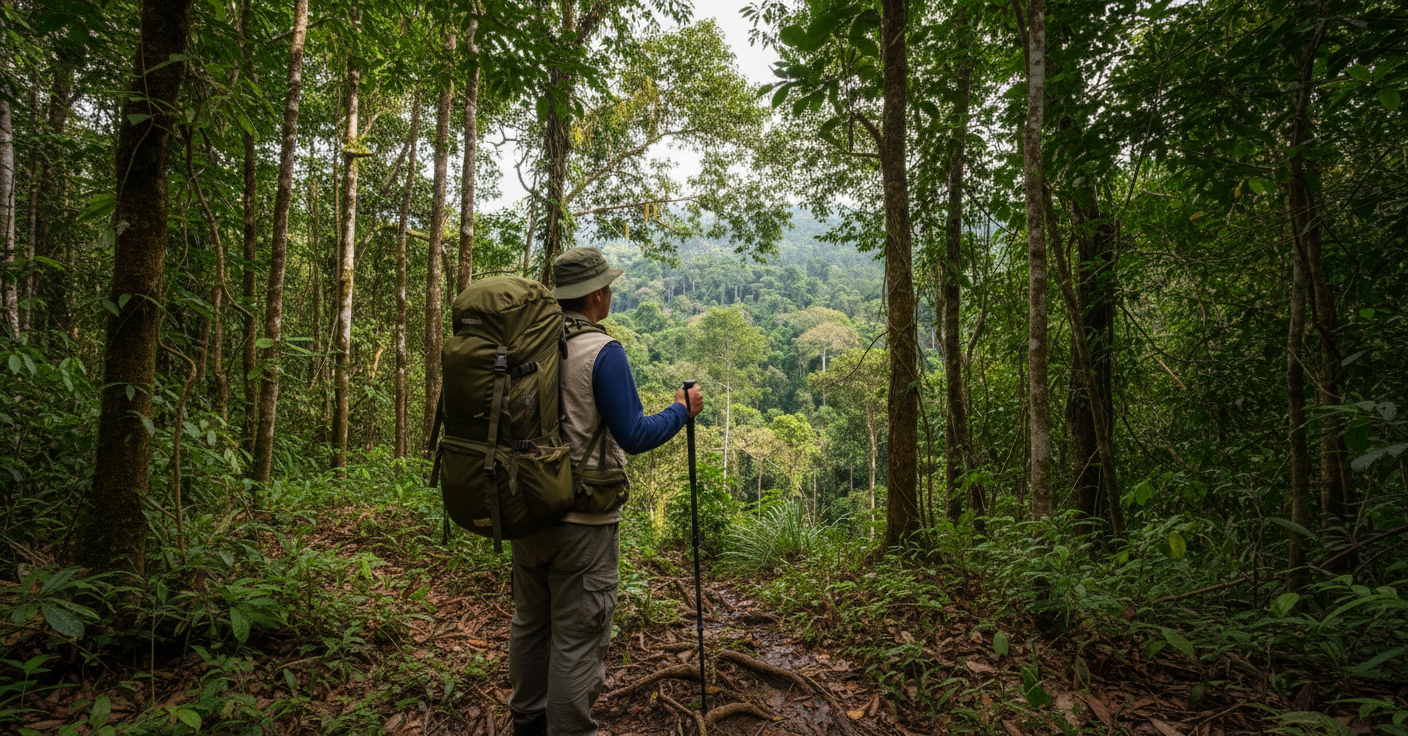
Looking back, it all began when I was a 21-year-old student. Along with two others, I was dispatched by my university to South America for a one-year research expedition, traveling through the Panama Canal on a 45-day voyage. It was 1965, a year after the Tokyo Olympics, and just before the peak of student protests. While watching these peers rampage, I couldn’t help but think there was something different about it. While I often say I was “dispatched” by the university, the reality was far less glamorous. The funds provided for the year-long stay were truly minimal. We had to prepare detailed proposals and approach various organizations for sponsorships, including the Liberal Democratic Party Youth Bureau, private groups, and companies. Thankfully, many of them were willing to listen, and with the help of a senior politician, we were even introduced to a shipping company for our voyage.
In addition to monetary sponsorships, we received material support such as the latest compact tape recorders, cameras, and film; emergency medical kits; and even branded work clothes from an agricultural machinery company. A pharmaceutical company, intrigued by the prospect of abundant medicinal plants in the Amazon, gave us an envelope with a check, expressing their hope for data collection. Such warm and generous support from various quarters was truly heartening. Back then, it was common for students to have little to no money. Yet, society had a supportive spirit, as if saying, If you lack something, let’s find a way to make it happen. I caught a glimpse of the warmth of humanity. With my mentor’s teachings instilled deeply in my heart, I ventured into the untapped corners of the world, preparing myself to contribute to agricultural efforts in anticipation of the inevitable food crises. Barely in my twenties and brimming with fearlessness, I set off from the mouth of the Amazon River, traveling over 3,500 kilometers along its course. There, I immersed myself alone in the daily lives and realities of local villages, experiencing everything firsthand.
The journey that remains most vividly etched in my memory, even after more than half a century, was an extraordinary expedition along the Madeira and Mamoré Rivers at the border of Bolivia and Brazil. It involved riding the Madeira-Mamoré Railway (Estrada de Ferro Madeira-Mamoré, operational from 1912 to 1972), a jungle railway built by the British for transporting natural rubber. This journey covered nearly 400 kilometers, passing through the village of Abunã and reaching the village of Guajará-Mirim. The railway was constructed because the river’s upper reaches, characterized by shallower waters, fast currents, and waterfalls, made transportation by boat impossible. My ultimate destination lay further north, near the border with Peru, where I aimed to collect data in the upper reaches of the Purus River, a tributary of the Amazon. This railway had a history of avoiding night operations due to the fear of attacks by the Wari people, an uncontacted Indigenous group reputed for their fierce cannibalistic practices. Trains would halt at village stations along the way to wait for dawn and to replenish their fuel supplies with firewood.
I often saw villagers wrapped in blankets, shivering violently by the scorching-hot railway tracks near the equator. It was likely due to the high fever caused by malaria. This railway was such a challenging construction project that it is said one worker died for every single railroad tie laid. The project, which took seven years to complete, claimed the lives of as many as 6,000 people. The majority of deaths were caused by malaria, yellow fever, and amoebic dysentery.
As a young man full of energy, I was entirely unfazed by such grim realities and fully immersed myself in collecting data on-site. My research focused on an approach to stabilize wild rubber through selective breeding and varietal improvement. Wild rubber, native to the Amazon, exhibits significant variability in latex production—some trees produce ample amounts of latex, while others produce none at all. Even planting seeds from trees with high latex output yields highly unpredictable results. The only viable method is to collect seeds from individual trees scattered throughout the dense rainforest.
I traveled to various latex collection sites scattered across the vast Amazon region, examining the differences among wild rubber species and investigating the presence of mutations. Most of my time was spent living and sharing meals with the indigenous people. In Japan, the Amazon is often imagined as a swampy land teeming with crocodiles and venomous snakes, where it’s unbearably hot and unhealthy, even making it difficult to sleep at night. However, during my time there, I never experienced the so-called “tropical nights” where the heat makes it impossible to sleep, as understood in Japan. While daytime temperatures were undoubtedly high, the temperature dropped sharply after sunset. I slept in a hammock, and there were nights when it was chilly enough to require a sheet. In this upper region of the Amazon, which lies closer to the Andes Mountains, it could occasionally get unexpectedly cold. This sudden chill was caused by snow-laden winds descending from the Andes, depending on the wind direction.
Among the relatively large wild animals, the most notable is the jaguar, known locally as onça, with its beautiful spotted pattern. However, these animals rarely appear where humans are present. Hunters would sometimes show me the striking pelts of jaguars they had caught, stretched and dried on boards, asking if I wanted to buy them. Looking back now, those were undoubtedly of great value. As for reptiles, crocodiles and snakes are indeed abundant. South American crocodiles, however, are more docile compared to those in Australia, Southeast Asia, and North America, and they rarely attack humans. There is an incredible diversity of snakes, including many dangerous and venomous species. However, such snakes are relatively rare in the high-temperature regions like the Amazon and are far more prevalent in the southern and central parts of Brazil.
In the Amazon, despite being common in most areas away from cities, there is a relatively low number of venomous snake species. Most snakes move quickly and inhabit damp environments, but the venomous ones tend to move slowly and prefer dry areas, increasing the risk of accidents from stepping on them. Venomous snakes can be divided into two types: hemotoxic, affecting blood coagulation, and neurotoxic, which affects sensory nerves and can lead to severe breathing difficulties. Although I have encountered venomous snakes a few times, luckily I never experienced any accidents. When I dealt with a venomous snake, I always suspended it on a prominent branch or barbed wire fence for birds to carry away. Leaving a dead snake on the ground could lead to barefoot indigenous people accidentally stepping on it, resulting in the same danger as being bitten.
The wild rubber of the Amazon became a global boom and was traded at high prices. European immigrants amassed great wealth, and their extravagance was remarkable. At the end of the 19th century, an opera house in Renaissance style was built in the heart of the jungle, incorporating luxurious marble, tiles, and furnishings imported from Italy and other parts of Europe. Renowned European opera performers were invited to grace this remote jungle. Subsequently, despite the Brazilian government’s strict regulations on the export of seeds, British individuals exploited diplomatic immunity to smuggle seeds abroad. These seeds were successfully cultivated into stable rubber tree varieties on plantations in Sri Lanka, the Malay Peninsula, and other British colonies in Southeast Asia. This large-scale cultivation marked the decline of the Amazon rubber boom.
And gradually, I started to get the hang of navigating the tropical jungle. One night, I was suddenly struck by intense abdominal pain and diarrhea as watery as water. What followed was a high fever that tormented me, and I dreamt of snow falling under the equatorial sun. The medications I had brought from Japan proved utterly ineffective, and my strength deteriorated at an alarming rate with each passing day. At one point, I even wondered if this might be the end. While I was staying at the hut of a seringueiro, a wild rubber latex harvester, an old woman who had come from an Indigenous village handed me a palm-made vessel filled with liquid and said, ‘Drink this. With trembling hands, I took it as instructed and downed it in one gulp. It was, without a doubt, unimaginably bitter.
The moment I drank it, an inexplicable intuition struck me—this is it! This will cure me! Later, I learned that this terrifyingly bitter liquid was a traditional herbal medicine brewed from tree bark. Thanks to the forest dwellers, who provided me with various medicinal herbs, my condition improved rapidly. I was astonished by the incredible power of natural remedies and deeply moved by the compassion and wisdom of the Amazon’s forest inhabitants. Since that life-altering experience, I have regarded the natural bioactive substances and the forest dwellers as saviors of my life. It is something I could never forget, no matter what happens, and it has become a profound event that continues to shape my life to this day.
On the return journey to Japan through the Panama Canal, during the 45 days leading up to docking at Yokohama Port, my health was not fully restored, but I managed to endure it thanks to my youth. Although I had one year of student life remaining, my thoughts were already consumed by a strong desire to work in the field of natural bioactive substances.
عندما أسترجع البدايات، أجد أنّ كل شيء بدأ عام كنتُ في الحادية والعشرين من عمري. فقد اختارتني جامعتي، برفقة زميلين اثنين، لبعثةٍ بحثية امتدّت لعام كامل في أميركا الجنوبية، نسافر خلالها عبر قناة بنما في رحلة بحرية استغرقت خمسةً وأربعين يوماً. كان ذلك عام 1965، بعد عام واحد من أولمبياد طوكيو، وقبيل اشتعال موجة الاحتجاجات الطلابية. ووسط تلك الأحداث الصاخبة، كنت أشعر في أعماقي أنّ الطريق الذي أسلكه مختلف تماماً.
ورغم أنّني كثيراً ما أقول إنّ الجامعة «أوفدتني»، إلا أنّ الحقيقة كانت أكثر تواضعاً. فالتمويل الذي قُدِّم لنا لا يكاد يكفي للحدّ الأدنى من المعيشة لعام كامل. لذلك أعددنا مقترحات تفصيلية وطرقنا أبواب جهات عديدة طلباً للدعم، من مكتب الشباب في الحزب الحاكم، إلى المؤسسات الخاصة والشركات التجارية. ولحسن الحظ، وجدنا آذاناً صاغية، فوفّر لنا أحد السياسيين المخضرمين حتى وساطةً للوصول إلى شركة ملاحية تؤمّن رحلتنا البحرية.
إلى جانب الدعم المالي، تلقّينا مساعدات عينية قيّمة: أحدث أجهزة التسجيل المحمولة، وكاميرات وأفلاماً، وحقائب إسعافات طبية طارئة، وحتى بدلات عمل تحمل شعار إحدى شركات المعدات الزراعية. كما سلّمنا أحد مصانع الأدوية، الذي أثارت الأمازون فضوله لما تحتويه من نباتات طبية نادرة، ظرفاً يحوي شيكاً دعمًا لرحلتنا آملاً في الحصول على بيانات علمية. كان ذلك السخاء المتدفّق من جهاتٍ مختلفة مشهداً مؤثراً بحق.
كانت تلك فترة يُنظر فيها إلى الطلاب باعتبارهم فقراء بطبيعة الحال، ورغم ذلك كانت روح المجتمع تقول: “إن احتجتَ شيئاً… فلنبحث معاً عن طريقة لتحقيقه.” وهناك لمستُ دفء الإنسانية في أجمل صوره.
وبينما كانت كلمات أستاذي ومرشدي محفورة في قلبي، انطلقت إلى زوايا العالم التي لم تطأها قدم، مستعداً لأن أبذل كل ما أستطيع في خدمة الزراعة لمواجهة أزمات الغذاء التي كنت أراها قادمة لا محالة. كنتُ شاباً يافعاً مفعماً بالحماسة، لا يعرف للخوف معنى، فسافرت بمفردي من مصب نهر الأمازون إلى أعاليه، قاطعاً أكثر من 3500 كيلومتر، أعيش بين القرى ونمط حياتها، وأتذوق الواقع كما هو، دون أي حواجز.
ومن بين كل محطات رحلتي، تبقى في ذاكرتي حتى اليوم رحلة استثنائية لا تُمحى، على ضفاف نهري ماديرا وماموري قرب الحدود بين بوليفيا والبرازيل. كانت تلك الرحلة على متن «سكة حديد ماديرا–ماموري» (Estrada de Ferro Madeira-Mamoré)، التي شُيّدت عام 1912 لنقل المطاط الطبيعي عبر غابات لا نهاية لها. امتدّت عبر ما يقرب من 400 كيلومتر، مررنا خلالها بقرية أبونا وصولاً إلى غواجارا-ميريم.
وقد بُني هذا الخط الحديدي لأن المنطقة العليا من النهر كانت ضحلة وسريعة الجريان، مليئة بالشلالات، مما يجعل الملاحة مستحيلة. لكن وجهتي النهائية كانت أبعد من ذلك، شمالاً نحو حدود بيرو، حيث كنتُ أهدف إلى جمع البيانات في أعالي نهر بوروس، أحد روافد الأمازون. كانت السكة، في ذلك الزمن، تتجنب تشغيل القطارات ليلاً خوفاً من هجمات قبائل «الوارّي»، وهي من القبائل المنعزلة المعروفة بشراستها وممارساتها الأسطورية. وكان القطار يتوقف في القرى ليلاً حتى بزوغ الفجر، وليتزود بالوقود — حطباً كان أم فحماً.
كنت كثيراً ما أرى القرويين يرتجفون تحت بطانياتهم بالقرب من القضبان الملتهبة في حرارة خط الاستواء. وكان من الواضح أنّ الحمّى — غالباً الملاريا — كانت تفتك بهم. فهذه السكة اشتهرت بكونها أحد أصعب مشاريع البناء في التاريخ، حتى قيل إنّ كل عارضة خشبية وُضعت كانت تقابلها روح تُزهق. سبع سنواتٍ من العمل، ذهب ضحيتها ستة آلاف عامل، معظمهم بسبب الملاريا والحمّى الصفراء والديسنتاريا. أمّا أنا، فشاب في عنفوان الحياة، فلم تردعني هذه الحقائق المرعبة، وانغمست كلياً في مهمتي العلمية الميدانية. كان بحثي يركّز على استقرار إنتاج المطاط البري عبر الانتخاب الطبيعي وتحسين السلالات. فمطاط الأمازون البري متقلب الإنتاج إلى حد بعيد — بعض الأشجار تفيض باللاتِكس، وأخرى لا تعطي شيئاً. وحتى جمع البذور من الأشجار ذات الإنتاج العالي لا يضمن أي نتائج متوقعة. ولذلك كان الحل الوحيد هو جمع البذور من أشجار متفرقة في أعماق الغابة البدائية.
جُبت مواقع جمع المطاط في مناطق شاسعة من الأمازون، أدرس الفروقات بين الأنواع وأبحث عن الطفرات المحتملة. وقضيت معظم وقتي أعيش مع السكان الأصليين، أشاركهم الطعام والحياة اليومية.
وفي اليابان، تُرسم للأمازون صورة غابة خانقة، مستنقعية، مليئة بالتماسيح والأفاعي السامة، وحرارتها لا تُطاق حتى ليلاً. لكن تجربتي كانت مختلفة تماماً. نعم، كانت حرارة النهار مرتفعة، لكن ما إن تغرب الشمس حتى يهبط البرد فجأة. كنت أنام في أرجوحة، وكم من ليالٍ اضطررت فيها إلى الاحتماء بغطاء من شدة البرودة. فالمنطقة العليا من الأمازون، القريبة من جبال الأنديز، كانت تتعرض أحياناً لرياح باردة تحمل معها برد الثلوج المنحدرة من القمم.
بين الحيوانات البرية الكبيرة نسبياً، يبرز اليغور — أو الأونسا كما يسميه السكان المحليون — بجلده المرقط الأخّاذ وجلال حضوره. لكن هذا الكائن المهيب نادراً ما يظهر في أماكن وجود البشر. وكان الصيادون يعرضون عليّ بين الحين والآخر جلوداً مدهشة لأونسا اصطادوها، ممدودة ومجففة على ألواح خشبية، ويسألونني إن كنت أرغب في شرائها. واليوم، عندما أستعيد تلك اللحظات، أدرك تماماً قيمتها الكبيرة. أما الزواحف، فوفرتها في الأمازون أمر لا جدال فيه—تماسيح وثعابين من كل نوع. ومع ذلك، فإن تماسيح أميركا الجنوبية أكثر هدوءاً ولطفاً مقارنةً بنظيراتها في أستراليا وجنوب شرق آسيا وأميركا الشمالية، ونادراً ما تشكّل خطراً على الإنسان. أما الثعابين، فيتجلّى تنوعها بشكل مذهل، تتقدّمها أنواع شديدة السمية. غير أنّ وجودها في المناطق الحارة من الأمازون أقل بكثير من انتشارها في الجنوب والوسط البرازيلي.
وعلى الرغم من أنّ الأمازون منطقة غنية بالثعابين بصفتها العامة، إلا أنّ عدد الأنواع السامة فيها ليس مرتفعاً كما يُظن. فمعظم الثعابين سريعة الحركة وتعيش في البيئات الرطبة، بينما تتحرّك السامة ببطء، وتفضّل الأماكن الجافة—مما يزيد احتمالات الوقوع فوقها دون قصد. وتنقسم سمومها إلى نوعين: سموم تخثرية تؤثر في الدم، وأخرى عصبية تضرب الجهاز العصبي وتؤدي إلى صعوبة شديدة في التنفس. وقد صادفت بعض هذه الأنواع بالفعل، لكن الله سلّم ولم أتعرّض لأيّ حادث. وكنت كلما قتلت ثعباناً ساماً، أعلّقه على غصنٍ مرتفع أو على سياج شائك لتتولى الطيور حمله بعيداً، إذ إن تركه على الأرض قد يعرّض السكان الحفاة لخطر مماثل لخطر اللدغة. لقد شكّل المطاط البري في الأمازون يوماً ما ثروة عالمية، وتحوّل إلى طفرة تجارية غير مسبوقة. واغتنى المهاجرون الأوروبيون إلى درجةٍ لا تُصدّق، وانغمست طبقات منهم في بذخ مبالغ فيه. ففي أواخر القرن التاسع عشر، شُيّد دار أوبرا على الطراز النهضوي في قلب الغابة، وازدانت جدرانه برخام فاخر وبلاط وتحف مستقدمة من إيطاليا وسائر أوروبا، واستضاف نخبة فناني الأوبرا الأوروبيين الذين قدِموا إلى هذا الركن البعيد من العالم.
غير أنّ هذه الفترة الذهبية لم تدم طويلاً. فبرغم قوانين البرازيل الصارمة في منع خروج بذور المطاط، استغلّ بعض البريطانيين الحصانة الدبلوماسية وهرّبوا البذور سرّاً. وتمّت زراعتها لاحقاً بنجاح في سيلان وشبه جزيرة الملايو ومستعمرات بريطانية أخرى في جنوب شرق آسيا، حيث أُنشئت مزارع ضخمة ومستقرة الإنتاج. وهكذا، بدأت أسطورة مطاط الأمازون تتلاشى.
ومع مرور الوقت، بدأتُ أستوعب طبيعة هذا العالم الاستوائي الفسيح. وفي إحدى الليالي، باغتتني آلام بطنية حادة، تلتها نوبات إسهال مائي وحمّى لا ترحم. شعرت أن الشمس الاستوائية تمطر عليّ ثلجاً من شدّة الهذيان. لم تُجدِ الأدوية التي حملتها معي من اليابان نفعاً، وكانت قواي تنهار يوماً بعد يوم حتى خُيّل إليّ أنّ النهاية باتت قريبة.
وبينما كنت أقيم في كوخ أحد جامعي اللاتكس — سيرينغيرو — جاءت امرأة مسنّة من إحدى قرى السكان الأصليين وقدّمت لي وعاءً منسوجاً من سعف النخيل، مملوءاً بسائل غامض، وقالت: “اشربه.” تناولتُ الوعاء بيدي المرتجفتين، وارتشفت السائل في جرعة واحدة. لم أذق في حياتي مرارةً تضاهي تلك المرارة… لكنها كانت لحظة أشبه بالإلهام.
فما إن ابتلعت ذلك المشروب حتى داهمني شعور قاطع:
“هذا هو… هذا ما سينقذني.”
وعلمت لاحقاً أنّ هذا السائل الكريه الطعم ما هو إلا دواء عشبي تقليدي مستخلص من لحاء شجرة. وبفضل الأعشاب الطبية التي قدّمها لي سكّان الغابة، بدأت صحتي تتحسن بوتيرة مذهلة. كنت مبهوراً بقوة الطبيعة، وممتنّاً لحكمة وطيبة أولئك الذين يعيشون في أحضان الغابة منذ قرون. ومنذ تلك التجربة المفصلية، أصبحت المواد الفعّالة الطبيعية — وسكّان الغابة أنفسهم — منقذيّ الحقيقيين. ذكرى لا يمكن أن تزول مهما طال الزمن، بل أصبحت نقطة تحول عميقة تستمر في تشكيل حياتي حتى اليوم.
وخلال رحلة العودة إلى اليابان عبر قناة بنما، وعلى مدى 45 يوماً حتى وصولنا إلى ميناء يوكوهاما، لم تكن صحتي قد تعافت بالكامل بعد، لكن قوة الشباب منحتني القدرة على الاحتمال. ورغم أنّ عاماً واحداً كان لا يزال يفصلني عن التخرج، فإن فكري كان قد استقرّ واتّخذ اتجاهاً واحداً: أن أكرّس حياتي للبحث عن المواد الطبيعية ذات الفعالية الحيوية.