
Here’s a brief explanation of the types of sugars in Manuka honey, their metabolism, and sugar concentration.
Types of Sugars
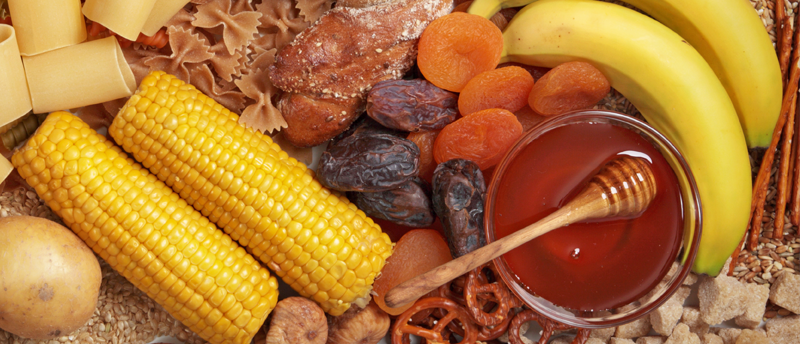
The sugars in Manuka honey are monosaccharides, while table sugar is a disaccharide, and rice and wheat flour are polysaccharides.
In this way, sugars differ in type and properties depending on the food.
It cannot be simply stated that “sugar = sweet = fattening or raising blood sugar levels.
Sugars in Manuka Honey
The nectar collected by bees is a disaccharide, similar to sucrose (sugar), and cannot be directly digested or absorbed by the body in its original form. Through a carbohydrate-digesting enzyme called invertase found in the bees’ saliva, the disaccharides are broken down into monosaccharides (glucose and fructose), which become “honey.” The sugars in honey, once in their monosaccharide state, are quickly absorbed and utilized by the body, making it easy on the stomach. When it comes to sucrose (sugar) digestion, the body must first break down disaccharides into monosaccharides, a process that requires a large amount of calcium and energy. For example, it is said that digesting a single sugar cube (about 3–4g) requires the amount of calcium found in 10–15 bottles of milk. The saying “giving sugar to growing children prevents them from developing strong bodies,” which has been passed down through generations, stems from the knowledge gained through the experiences of our predecessors.
Sugar and Water Content in Manuka Honey
Bees collect nectar primarily as a food source to sustain them during the winter. Freshly gathered nectar has a high water content and contains only 30-35% sugar, which makes it susceptible to fermentation by microorganisms like yeast if left in its original state. To prevent this and turn the nectar into a long-lasting food source, the bees fan their wings vigorously, creating heat and airflow to evaporate the excess water. This process continues until the sugar concentration reaches 80%, at which point the nectar is no longer at risk of fermenting. Once the nectar reaches this 80% sugar content, it is sealed with beeswax, turning it into a perfectly preserved food that can maintain its quality indefinitely. *Experienced beekeeper’s blog titled “Matured Honey Made by Bees.”
Metabolism of Sugars in Manuka Honey
Matured honey contains simple sugars, which are quickly absorbed by the body. The rapid absorption of these sugars means that blood sugar levels can rise quickly. However, since these sugars are rapidly utilized as an energy source, they can be particularly effective in aiding recovery from fatigue. Because of this quick utilization, the connection between matured honey and diabetes is considered minimal compared to other sugars like sucrose. Therefore, matured honey should not be equated with regular table sugar (sucrose), and it can even be consumed by people with diabetes, provided they follow their doctor’s guidance. Additionally, matured honey may be useful for those looking to incorporate it into a diet plan.
For those concerned about carbohydrate intake and blood sugar levels, it’s important to balance honey consumption with other carbohydrates, engage in appropriate exercise, and consult with a healthcare professional. Incorporating small amounts of high-activity Manuka honey, such as TCN’s, can also be beneficial due to its potent health-supporting properties. So far, we’ve focused on the sugars in honey, but the value of TCN’s matured Manuka honey cannot be solely attributed to its sugar content. This honey contains unique compounds like methylglyoxal (MGO), as well as various vitamins, minerals, and beneficial enzymes. These components work synergistically, enhancing its health benefits. In addition, This demonstrates the superior qualities of natural active substances.
أنواع السكريات
السكريات في عسل المانوكا هي سكريات أحادية (مونوسكاريد)، بينما السكر الأبيض هو سكر ثنائي (ديسكاريد)، أما السكريات في الأرز والقمح فهي سكريات معقدة (بوليسكاريد). وبذلك، تختلف أنواع السكريات وخصائصها باختلاف المصدر الغذائي، فلا يمكن القول ببساطة إن “السكر = الحلاوة = السمنة أو ارتفاع سكر الدم”.
السكريات في عسل المانوكا
الرحيق الذي تجمعه النحلات هو في الأصل سكر ثنائي يشبه السكروز، ولا يمكن لجسم الإنسان امتصاصه أو هضمه بشكل مباشر. لكن من خلال إنزيم خاص يسمى إنفرتيز (Invertase) موجود في لعاب النحلات، يتم تحليل السكريات الثنائية إلى سكريات أحادية (غلوكوز وفركتوز)، وهكذا يتكوّن العسل الناضج. تُمتص هذه السكريات البسيطة بسرعة وسهولة في الجسم، مما يجعلها خفيفة على المعدة وسريعة التحوّل إلى طاقة.
أما في حالة السكر الأبيض، فيحتاج الجسم إلى تحليل السكريات الثنائية إلى سكريات أحادية قبل الامتصاص، وهي عملية تستهلك كميات كبيرة من الكالسيوم والطاقة. ويُقال إن هضم مكعب سكر واحد (حوالي 3–4 غرامات) يتطلب ما يعادل الكالسيوم الموجود في 10 إلى 15 زجاجة من الحليب. ومن هنا جاءت المقولة القديمة: “إعطاء السكر للأطفال يمنعهم من تكوين أجسام قوية”، وهي حكمة مستمدة من تجارب الأجيال السابقة.
محتوى السكر والماء في عسل المانوكا
تجمع النحلات الرحيق ليكون غذاءً رئيسيًا لها خلال الشتاء. ويكون الرحيق الطازج غنيًا بالماء ويحتوي فقط على 30–35٪ من السكر، مما يجعله عرضة للتخمّر بفعل الخمائر والكائنات الدقيقة. ولتجنّب ذلك، تقوم النحلات بتحريك أجنحتها بسرعة لتوليد حرارة وتدفق هواء يساعدان على تبخير الماء الزائد. تستمر هذه العملية حتى تصل نسبة تركيز السكر إلى حوالي 80٪، وهي النقطة التي يصبح عندها الرحيق مقاومًا للتخمّر تمامًا. بعد الوصول إلى هذا التركيز، تُغلق النحلات العسل بشمع العسل، ليصبح غذاءً محفوظًا طبيعيًا يمكنه الحفاظ على جودته إلى أجل غير مسمى. (من مدوّنة “العسل الناضج الذي تصنعه النحلات” لمربي النحل المحترف)
استقلاب السكريات في عسل المانوكا
يحتوي العسل الناضج على سكريات بسيطة تُمتص بسرعة داخل الجسم، مما قد يؤدي إلى ارتفاع مؤقت في سكر الدم. إلا أن هذه السكريات تُستخدم بسرعة كمصدر للطاقة، مما يجعلها فعّالة في استعادة النشاط والتغلب على التعب. وبسبب سرعة استهلاكها، فإن العلاقة بين العسل الناضج ومرض السكري تُعتبر ضعيفة مقارنة بالسكروز (السكر الأبيض). لذلك، لا ينبغي مساواة العسل الناضج بالسكر العادي، بل يمكن حتى لمرضى السكري تناوله باعتدال وتحت إشراف الطبيب. كما يمكن إدراجه ضمن نظام غذائي متوازن لتحسين الصحة العامة.
ولمن يقلق بشأن تناول الكربوهيدرات أو ارتفاع سكر الدم، من المهم موازنة استهلاك العسل مع النشاط البدني واستشارة مختص صحي. كما أن إدخال كميات صغيرة من عسل المانوكا عالي النشاط، مثل عسل TCN، يُعد خيارًا مثاليًا بفضل خصائصه الفعّالة في دعم الصحة. حتى الآن ركّزنا على السكريات في العسل، لكن القيمة الحقيقية لعسل المانوكا الناضج من TCN لا تكمن في السكريات فقط. فهو يحتوي أيضًا على مركّبات فريدة مثل الميثيل غليوكسال (MGO)، بالإضافة إلى مجموعة من الفيتامينات والمعادن والإنزيمات النشطة، التي تعمل بانسجام لتُعزّز فوائده الصحية وتُبرز تفوق المكوّنات الطبيعية الحية التي لا مثيل لها في عالم الطبيعة.