
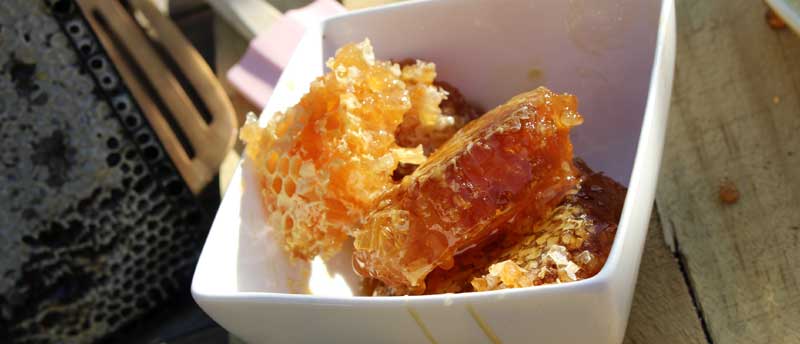
Manuka Honey Production in New Zealand
The production of Manuka honey in New Zealand began when British settlers introduced honeybees to the country. The antibacterial activity of Manuka honey was recognized in the 1980s, and in 2008, methylglyoxal (MGO) was identified as the key component responsible for this activity. Today, Manuka honey is widely known and recognized across the world. However, not all Manuka honey from New Zealand has the same activity level or quality. There are various species of Manuka trees, but the Incanum variety, which contains high levels of dihydroxyacetone (DHA) – a precursor necessary for MGO production – predominantly grows in areas north of Auckland.
Furthermore, the more remote and challenging the environment, the higher the activity level of the honey. For this reason, TCN operates its beekeeping activities in the mountainous regions of northern New Zealand’s North Island, far from paved roads, farmlands, pastures, and homes— deep within the natural home of the Incanum species. To obtain high-activating honey, precise analysis data and year-round management of the bees’ health are essential. Additionally, the harsh conditions and heavy labor involved in these environments come with significant risks.
Beekeeping in New Zealand
In New Zealand beekeeping, the use of antibiotics or antimicrobial agents is strictly prohibited. Unlike in some other countries, including Japan, where antibiotics may be mixed into the bees’ feed, such practices are not allowed in New Zealand. Additionally, when honey is imported into Japan, it undergoes testing for antibiotic residues, ensuring safety. However, it is unfortunate that many beekeepers feed their bees sugar water. This sugar water does not help bees recover from fatigue, and it may lead to the disposable use of bees.
At TCN’s Manuka honey research and harvesting sites in New Zealand, bees store the nectar they collect during the off-season, and for disease prevention purposes, this nectar is always returned to the same hive. This practice ensures that the next generation of bees remains strong and high-quality honey can be expected. The reason TCN collaborates with small-scale beekeepers is that larger-scale operations tend to involve more artificial methods of beekeeping, distancing themselves from nature. Guided by the belief that “customer health originates from the health of bees,” TCN prioritizes sustainable beekeeping, producing honey with minimal stress on the bees, allowing them to work as naturally as possible.
Manuka Trees and New Zealand
In New Zealand, the trunk and leaves of the Manuka tree have been used for various purposes since ancient times. A well-known story involves Captain Cook, who, upon discovering New Zealand in 1769, treated his scurvy-stricken sailors by giving them tea brewed from Manuka leaves, as recommended by the Māori people. Additionally, there are traditional remedies such as using the smoke from burning dried Manuka branches and leaves to treat affected areas. For more information, refer to experienced beekeeper’s blog titled, “Medicinal Properties of the Manuka Tree.”
Traditional remedies that have been passed down through generations are recognized for their efficacy and safety by the people who have long used them. It is our hope that the Manuka trees in New Zealand will continue to thrive and remain unaffected by changes in the natural environment, the expansion of farmland, and deforestation.
بدأ إنتاج عسل المانوكا في نيوزيلندا عندما جلب المستوطنون البريطانيون نحل العسل إلى البلاد للمرة الأولى. وفي ثمانينيات القرن الماضي، تم اكتشاف الخصائص المضادة للبكتيريا في عسل المانوكا، وفي عام 2008 تم تحديد مادة الميثيل غليوكسال (MGO) باعتبارها المكوّن الرئيسي المسؤول عن هذه الفعالية الفريدة. واليوم، يُعتبر عسل المانوكا من أشهر أنواع العسل في العالم وأكثرها تميزًا.
ومع ذلك، ليس كل عسل المانوكا المنتج في نيوزيلندا يتمتع بنفس الجودة أو النشاط الحيوي؛ إذ توجد أنواع متعددة من أشجار المانوكا، ويُعد صنف Incanum الأغنى بمركب الديهيدروكسي أسيتون (DHA)، وهو المكوّن الأساسي لتكوين الـ MGO، وينمو هذا الصنف بشكل رئيسي في المناطق الشمالية من أوكلاند.
كلما كانت البيئة أكثر عزلة وصعوبة، ارتفع مستوى النشاط الحيوي في العسل. ولهذا السبب، تُجري شركة TCN عمليات تربية النحل في الجبال النائية في شمال الجزيرة الشمالية، بعيدًا عن الطرق المعبدة والمزارع والمنازل، وفي قلب الطبيعة البكر التي تحتضن أشجار المانوكا النادرة من نوع Incanum.
للحصول على عسل عالي النشاط والحيوية، من الضروري إجراء تحليلات دقيقة وإدارة مستمرة لصحة النحل على مدار العام. وتتطلب هذه البيئات القاسية جهدًا بدنيًا كبيرًا وتحمّل مخاطر عالية، وهو ما يجعل إنتاج هذا النوع من العسل عملاً فنيًا يتجاوز حدود الزراعة التقليدية.
تربية النحل في نيوزيلندا
تحظر القوانين في نيوزيلندا استخدام المضادات الحيوية أو المواد المضادة للبكتيريا في تربية النحل. وعلى عكس بعض الدول – ومنها اليابان – حيث يُسمح أحيانًا بخلط الأدوية في غذاء النحل، تلتزم نيوزيلندا بمبدأ النقاء التام في هذا المجال. كما تخضع كل شحنات العسل المستوردة إلى اليابان لفحوص دقيقة للكشف عن بقايا المضادات الحيوية، مما يضمن سلامتها التامة.
ومع الأسف، يلجأ العديد من مربّي النحل إلى تغذية النحل بماء السكر، وهو ما لا يساعد النحل على استعادة طاقته، بل يؤدي إلى إضعاف مناعته واستخدامه بشكل استهلاكي قصير الأمد. في المقابل، تعتمد TCN في مواقع أبحاثها وجمع العسل في نيوزيلندا على إعادة الرحيق الطبيعي إلى نفس الخلية خلال الفترات غير المزهرة، ما يسمح للنحل بالحفاظ على غذائه الطبيعي ومناعته القوية. تُعتبر هذه الممارسة من أهم عوامل إنتاج عسل نقي عالي الجودة عاماً بعد عام.
تُفضّل TCN التعاون مع مربي نحل صغار الحجم، لأن الإنتاج الواسع غالبًا ما يعتمد على أساليب صناعية تبتعد عن روح الطبيعة. وانطلاقًا من إيمانها العميق بأن “صحة العملاء تبدأ من صحة النحل”، تلتزم الشركة بالتربية الرحيمة والمستدامة، التي تُراعي راحة النحل وتتيح له العمل في بيئته الطبيعية دون توتر.
أشجار المانوكا ونيوزيلندا – إرث الطبيعة المقدّس
منذ العصور القديمة، استخدم سكان نيوزيلندا جذوع وأوراق شجرة المانوكا في أغراض طبية وتقليدية متعددة. ومن القصص المعروفة أن الكابتن جيمس كوك، عند اكتشافه نيوزيلندا عام 1769، عالج جنوده المصابين بمرض الإسقربوط بشرب شاي مصنوع من أوراق المانوكا، وذلك بناءً على نصيحة شعب الماوري المحلي.
كما كان الدخان الناتج عن حرق أغصان المانوكا الجافة يُستخدم في علاج المناطق المصابة من الجسم – وهي وصفة تقليدية توارثتها الأجيال لقرون. للمزيد من المعلومات، يمكن الرجوع إلى مدونة مربي النحل المخضرم بعنوان “الخصائص العلاجية لشجرة المانوكا”. إن العلاجات التقليدية التي صمدت أمام اختبار الزمن تُثبت فعاليتها وسلامتها من خلال الخبرة المتراكمة للشعوب الأصلية. ونحن في TCN نأمل بصدق أن تستمر أشجار المانوكا النيوزيلندية في النمو والازدهار، بعيدًا عن تأثيرات التغيرات المناخية، وتوسّع الأراضي الزراعية، وإزالة الغابات، حتى تبقى رمزًا للنقاء، وكنزًا من كنوز الطبيعة التي تمنح الإنسان الشفاء من قلب الأرض.