
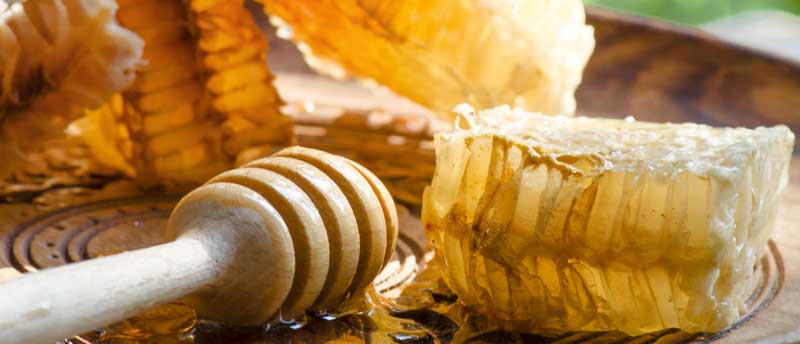
The MGO (natural methylglyoxal) contained in Manuka honey is a substance with outstanding antibacterial and antiviral activity. It is effective against a wide range of bacterial strains, aiding in the treatment and prevention of many infections, including the highly discussed Helicobacter pylori and other harmful bacteria.
What is MGO?
MGO (methylglyoxal) found in Manuka honey is a substance with outstanding antimicrobial and antiviral activity. It is effective against a wide range of pathogens, aiding in the healing and prevention of many infections, including the notorious Helicobacter pylori and harmful bacteria. Particularly, high-MGO Manuka honey shows significant activity against hospital-acquired infections caused by antibiotic-resistant bacteria such as MRSA (Methicillin-Resistant Staphylococcus Aureus), VRE (Vancomycin-Resistant Enterococci), and VRSA (Vancomycin-Resistant Staphylococcus Aureus). While a healthy immune system can usually defend against these bacteria, infections with such resistant strains can be very troublesome and lack effective treatments. However, high-MGO, highly active Manuka honey demonstrates sufficient activity against these bacteria. Unlike conventional drug treatments, Manuka honey is safe for long-term use and may support overall health improvement and fundamental healing.
Differences Between MGO, NPA, and UMF
The antimicrobial activity of Manuka honey was recognized in the 1980s. While honey generally contains the antimicrobial component hydrogen peroxide, this effect is diminished or eliminated in the human body or when applied to wounds due to the presence of the enzyme catalase. In contrast, Manuka honey remains effective both internally and on wounds, indicating the presence of a “non-peroxide” component. This unique component was initially referred to as NPA (Non-Peroxide Activity) or UMF (Unique Manuka Factor), serving as an indicator of Manuka honey’s antimicrobial effects, although the specific component was not identified at that time. It wasn’t until 2008 that Dr. Thomas Henle identified MGO (methylglyoxal) as the unique component responsible for Manuka honey’s antimicrobial activity.
As for differences in testing methods, NPA and UMF use the “halo test,” where Manuka honey and a disinfectant phenol solution are separately applied to a culture of Staphylococcus aureus. The test measures the area where bacterial growth is inhibited. However, this method is less reliable because the results are determined visually and can be affected by variations in the quality of the phenol solution. In contrast, the MGO test measures the actual concentration of MGO in the honey. This method provides a precise measurement of antimicrobial and antiviral activity. Furthermore, the activity level of TCN Manuka honey (i.e., NPA, UMF) can be calculated based on the MGO content. The correlation between natural methylglyoxal (MGO) and activity level can be automatically calculated.
Production of MGO
MGO is not originally present in Manuka nectar. Instead, it is formed when dihydroxyacetone, a compound found in Manuka nectar, is heated by the temperature (37°C to 39°C) maintained by the bees in the hive. Over time, this dihydroxyacetone gradually converts into MGO. Therefore, to produce high-activity Manuka honey with a high MGO content, it is essential to have a high concentration of the precursor dihydroxyacetone and healthy bees. TCN’s Manuka honey is exclusively derived from the Incanum variety, which is favored because it contains a rich amount of dihydroxyacetone. Furthermore, to maintain the health of the bees, they are fed forest honey obtained from the same hive rather than sugar syrup. The natural environment also plays a crucial role; thus, even if high-activity Manuka honey with high MGO content is produced this year, there is no guarantee it will be the same next year. The production of high-activity Manuka honey requires a deep understanding of the local natural environment and a meticulous, uncompromising approach.
يُعدّ الـMGO (الميثيل غليوكسال الطبيعي) المكوّن الفعّال الأساسي في عسل المانوكا، وهو مادة تتمتّع بنشاط استثنائي مضاد للبكتيريا والفيروسات. يساعد هذا المركّب الفريد في مكافحة مجموعة واسعة من السلالات البكتيرية، مما يجعله فعّالًا في الوقاية والعلاج من العديد من الالتهابات، بما في ذلك بكتيريا المعدة الحلزونية الشهيرة (هيليكوباكتر بايلوري) وغيرها من البكتيريا الضارّة.
ما هو الـMGO؟
إنّ الميثيل غليوكسال (MGO) الموجود في عسل المانوكا هو مركّب طبيعي نادر يتميّز بفعالية عالية في مقاومة الميكروبات والفيروسات، حيث يساهم في التعافي من الالتهابات ومنع حدوثها من الأساس. وقد أثبتت الأبحاث أنّ عسل المانوكا الغنيّ بالـMGO يتمتّع بقدرة ملحوظة على مقاومة أخطر أنواع البكتيريا المسببة للعدوى في المستشفيات، بما في ذلك:
MRSA – المكورات العنقودية الذهبية المقاومة للميثيسيلين
VRE – المكورات المعوية المقاومة للفانكوميسين
VRSA – المكورات العنقودية الذهبية المقاومة للفانكوميسين
في الأحوال الطبيعية، يقوم الجهاز المناعي السليم بالدفاع عن الجسم ضد هذه البكتيريا. لكن في حالة الإصابة بعدوى من سلالات مقاومة للمضادات الحيوية، تصبح المواجهة صعبة ومعقّدة نظرًا لغياب العلاجات الفعالة.
أما عسل المانوكا عالي الـMGO، فقد أظهر نشاطًا قويًا تجاه هذه البكتيريا المقاومة، مما يجعله بديلاً طبيعيًا ذا فعالية مذهلة في دعم الشفاء وتجديد التوازن الحيوي في الجسم. وبخلاف الأدوية التقليدية، فإن عسل المانوكا آمن تمامًا للاستخدام طويل الأمد، ويمكن أن يساهم في تعزيز الصحة العامة واستعادة التوازن الداخلي بشكل طبيعي وعميق.
الفرق بين MGO وNPA وUMF
تمّ الاعتراف بالنشاط المضاد للبكتيريا في عسل المانوكا منذ ثمانينات القرن الماضي. بينما يحتوي العسل العادي على مركب بيروكسيد الهيدروجين كمادة مضادة للبكتيريا، فإن هذا التأثير يتلاشى أو يُفقد فعاليته داخل الجسم أو عند تطبيقه على الجروح، نظرًا لوجود إنزيم كاتالاز الذي يُحيِّد التفاعل.
على النقيض من ذلك، يبقى عسل المانوكا فعالًا داخليًا وعلى الجروح، مما يدل على وجود مكوّن “غير بيروكسي” — وقد كان يُشار إليه في بدايات الأبحاث بـ NPA (Non-Peroxide Activity) أو UMF (Unique Manuka Factor) كمؤشّر للنشاط المضاد، رغم أن المكوّن الدقيق لم يكن معروفًا آنذاك.
ولم يتضح أن هذا المكوّن هو الميثيل غليوكسال (MGO) إلا في عام 2008، عندما نجح الدكتور توماس هينلي في تحديده كمادة فاعلة مسؤولة عن النشاط المضاد للبكتيريا في عسل المانوكا.
تعتمد اختبارات NPA و UMF على ما يُعرف بـ “اختبار الحلقة” (Halo Test)، حيث يُطبّق العسل ومحلول الفينول على وسط مزروع بـ Staphylococcus aureus، ويُقاس مدى منطقة تثبيط النمو البكتيري. لكن هذه الطريقة أقل موثوقية، لأنها تعتمد على التقدير البصري وقد تتأثر بجودة محلول الفينول.
أما اختبار MGO، فهو يقيس بدقّة تركيز الميثيل غليوكسال الفعلي في العسل، مما يوفّر مقياسًا مباشرًا للنشاط المضاد للبكتيريا والفيروسات. وبناءً على ذلك، يمكن حساب مؤشرات مثل NPA أو UMF في عسل TCN استنادًا إلى المحتوى الفعلي من الـMGO، نظراً للعلاقة المرتبطة بين المكونات النشطة.
ومع ذلك، يجدر التنويه بأن UMF™ لا يمكن تحويله إلى MGO ببساطة (أو العكس) لأنه معيار يجمع عدة عوامل جودة إضافية لضمان الأصالة والنقاء. umf.org.nz +2 KiwiReserve +2
كيف يُنتَج الـMGO داخل العسل؟
في الأساس، لا يوجد MGO أصليًا في رحيق المانوكا. بل يتكوّن تدريجيًا عندما يتفاعل الديهيدروكسي أسيتون (DHA) الموجود في الرحيق مع درجة الحرارة الداخلية في الخلية (حوالي 37 إلى 39 درجة مئوية) التي تحافظ عليها النحل نفسه. بمرور الوقت، يتحول الـDHA تدريجيًا إلى MGO.
لذلك، لإنتاج عسل مانوكا عالي النشاط وغنيّ بالـMGO، لا بد أن يكون الرحيق غنيًا مسبقًا بـDHA، ويجب أن تكون النحلات صحية وخلاياها متوازنة. شركة TCN تضمن أن جميع أنواع عسلها تنبع من شجرة إنكانوم، المعروفة بوفرة DHA، كما تُطعّم النحل على غذاء طبيعي (عسل الغابة من نفس الخلية) بدلاً من شراب السكّر، للحفاظ على صحة النحل واستقراره. وبالرغم من الإنتاج الناجح في موسمٍ ما، لا يوجد ضمان بأن ظروف الموسم التالي ستمكِّن من تكرار عسل بارتفاع مماثل لمستوى الـMGO — فالتناغم مع البيئة الطبيعية والمعرفة الدقيقة للموقع هما مفتاح الجودة الحقيقية.